
Where Large Panoramic Abstract Art Works Best in Interior Design
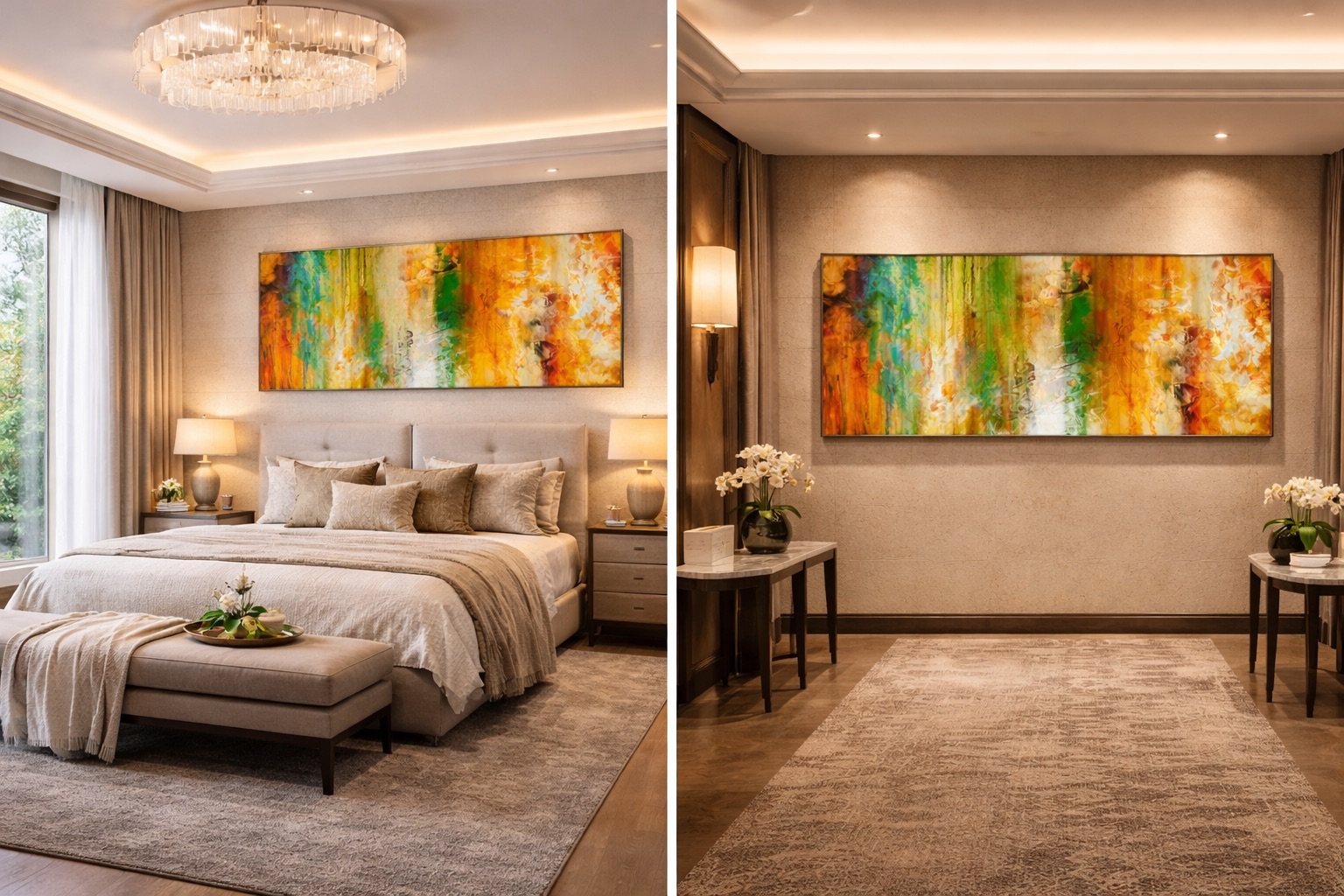
Large panoramic abstract artwork has become a defining feature in modern interior design. As architectural spaces grow more open and minimal, designers increasingly rely on large-scale art to anchor a room, introduce color, and create a memorable visual experience.
Unlike smaller framed pieces that function primarily as decoration, panoramic abstract art works at an architectural level. When scaled properly, it becomes part of the structure of the room itself—guiding the eye, reinforcing spatial balance, and shaping the emotional atmosphere of the interior.
Because of this, interior designers often reserve panoramic artwork for specific environments where scale and visual flow matter most. Understanding where large abstract art works best can reveal why designers use it so frequently in contemporary interiors.
Living Rooms and Large Sofa Walls
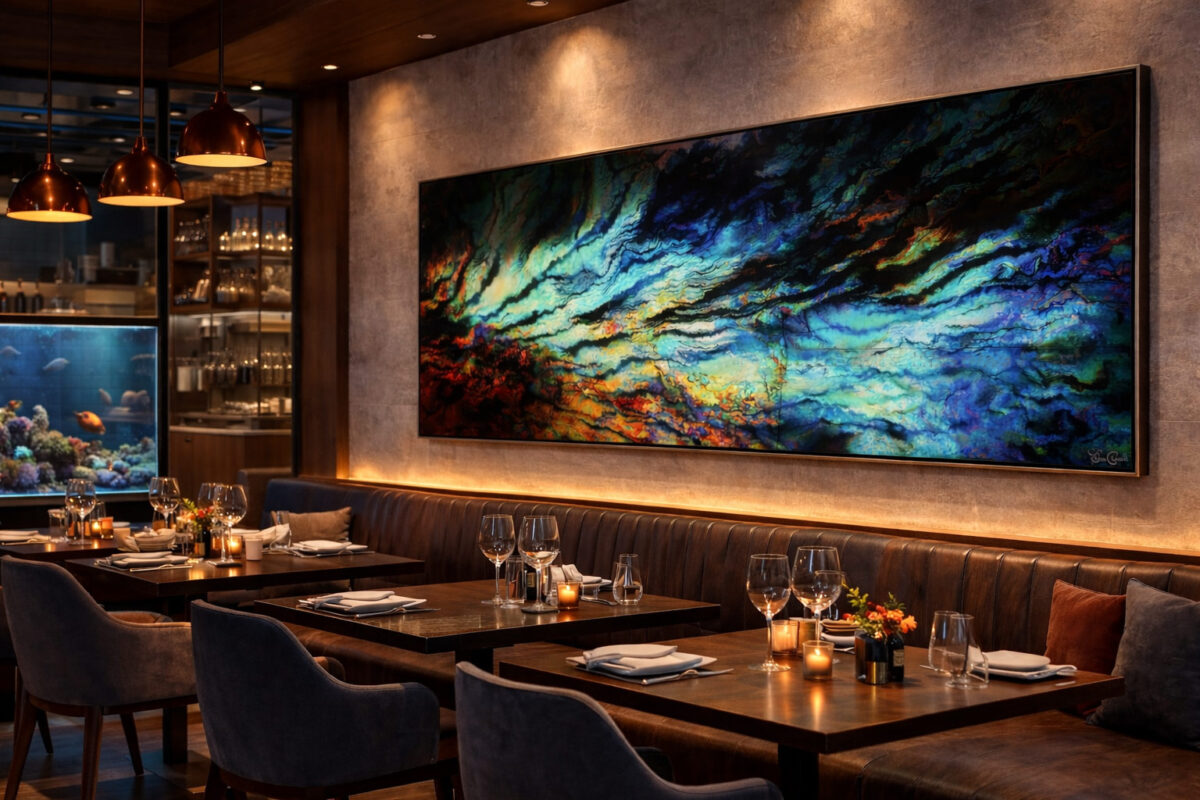
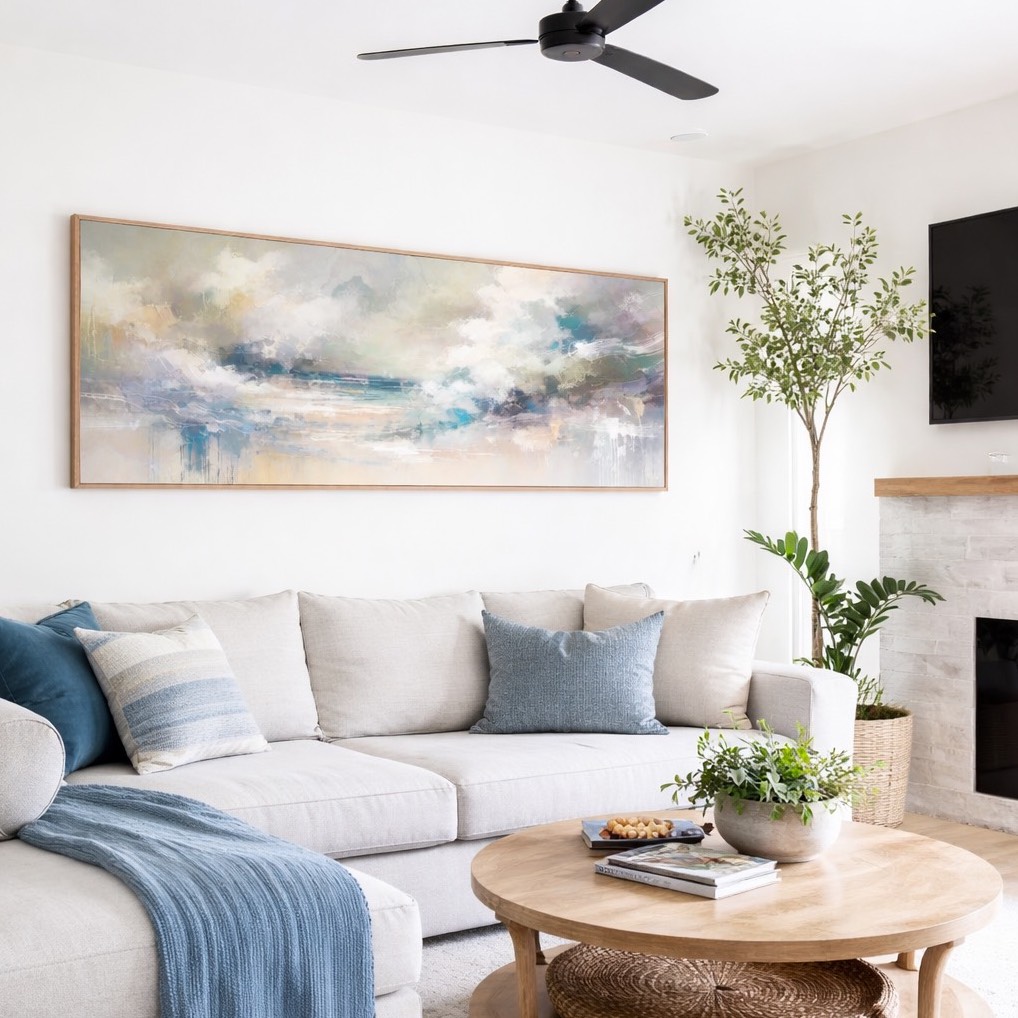
One of the most common placements for panoramic abstract art is above a long sofa.
Modern living rooms often feature wide seating arrangements that stretch across an entire wall. A panoramic artwork naturally mirrors this horizontal structure, creating balance between furniture and architecture.
Instead of hanging several smaller pieces, designers frequently prefer one large statement artwork that spans most of the sofa width. This approach simplifies the visual composition of the room while giving the artwork enough presence to anchor the space.
Large abstract paintings with flowing movement and luminous color can also introduce warmth and personality into living rooms that might otherwise feel overly neutral.
Hotel Lobby Walls
Hospitality design often revolves around creating a strong first impression. Hotel lobbies are designed to communicate luxury, comfort, and identity the moment guests enter the space.
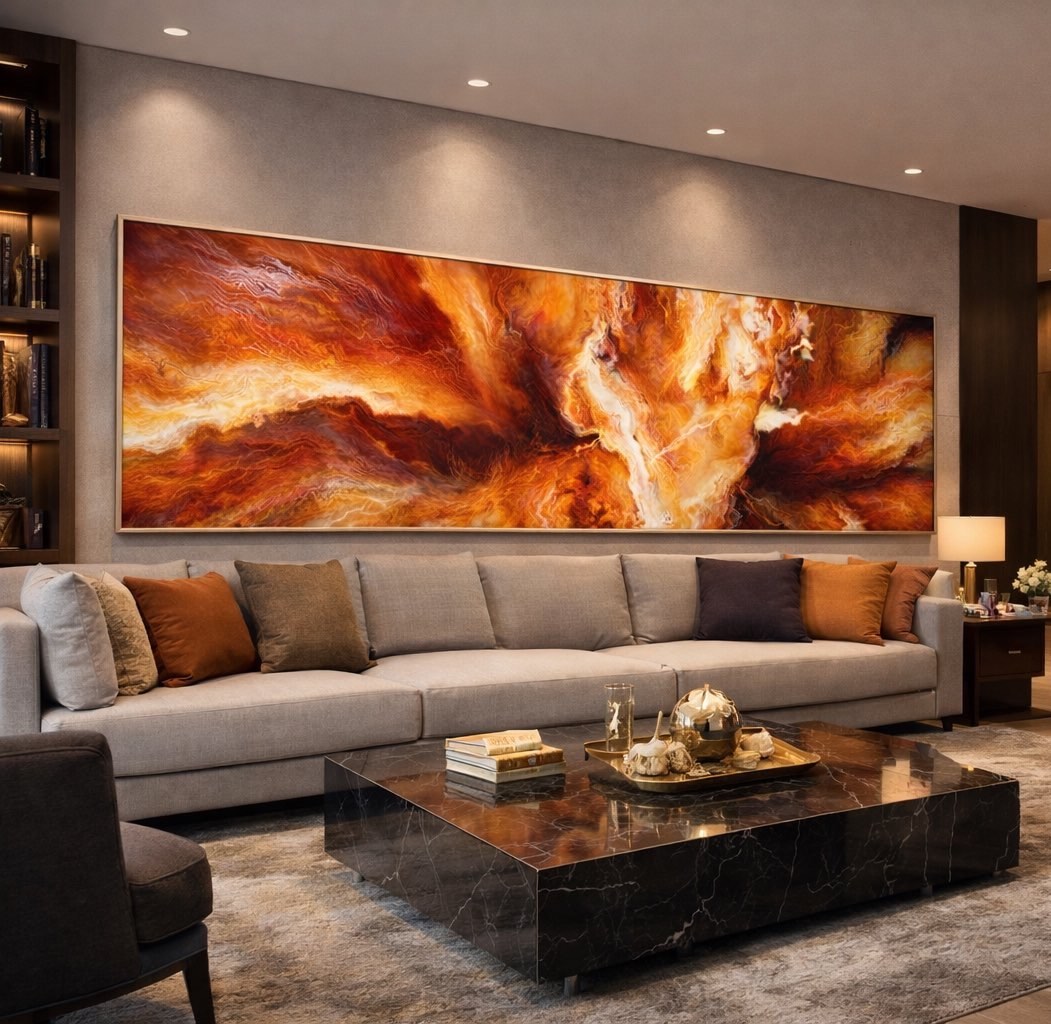
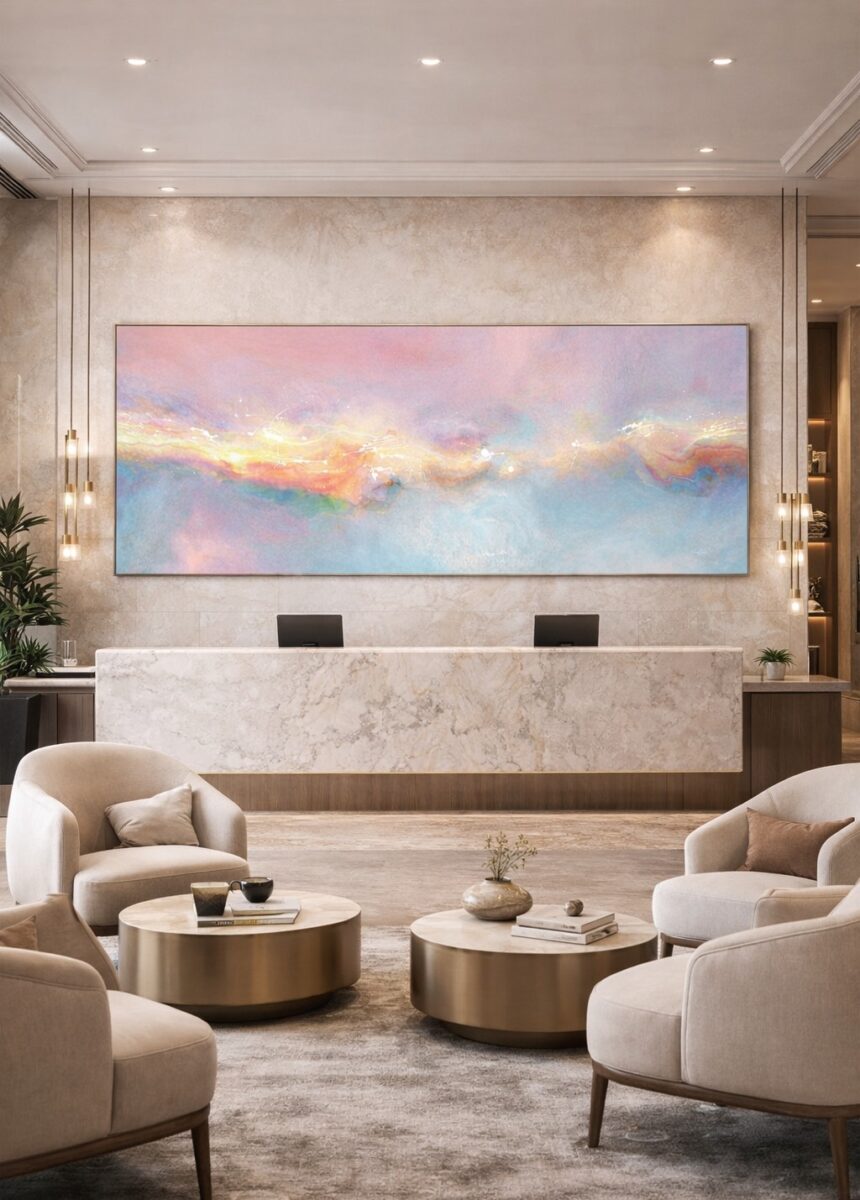
Large panoramic artwork is particularly effective here because it fills expansive walls without creating visual clutter. Instead of multiple decorative elements competing for attention, one large abstract piece can define the atmosphere of the entire lobby.
Panoramic artwork is often placed behind reception desks, above lounge seating areas, or along feature walls where guests naturally pause or gather.
In these environments, abstract art adds sophistication and visual drama while still allowing guests to interpret the imagery in their own way.
Restaurant Dining Rooms
Restaurants rely heavily on atmosphere. Lighting, furniture, textures, and artwork all work together to create a dining experience that guests remember.
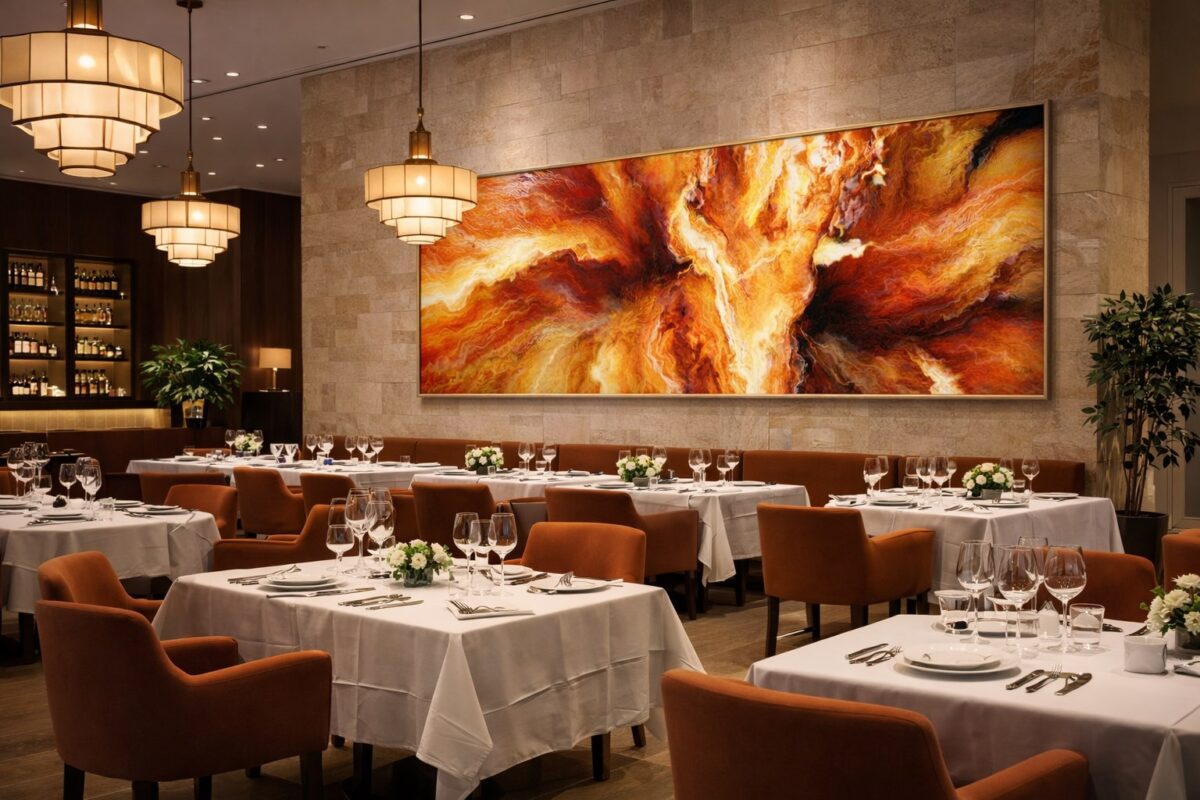
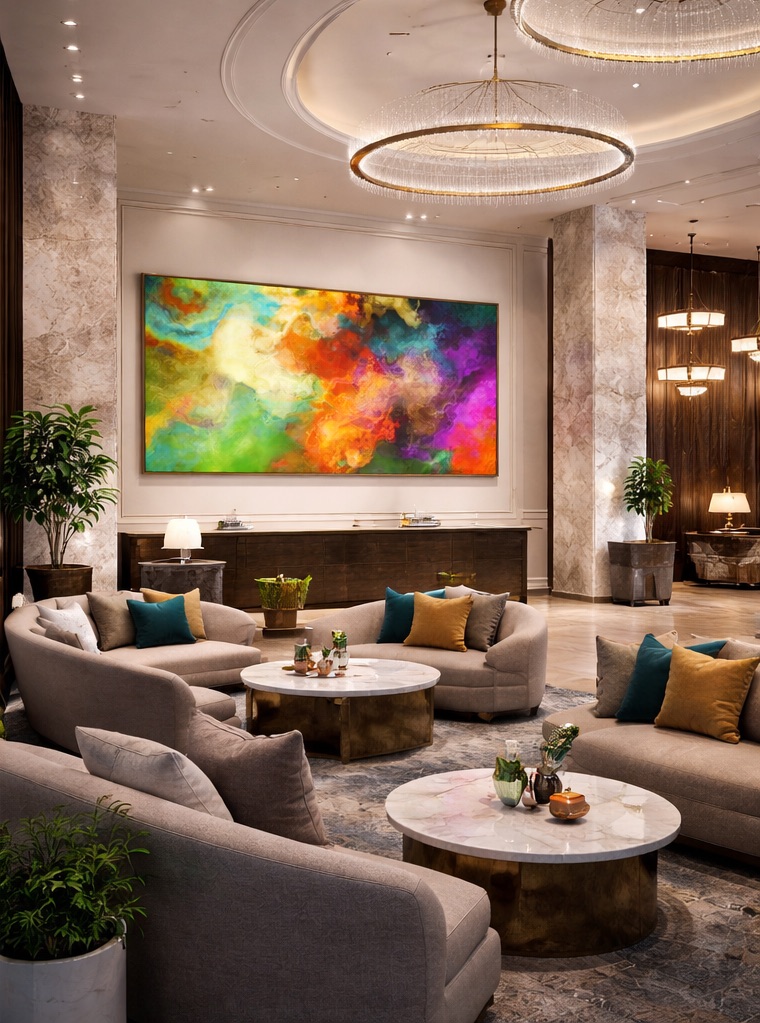
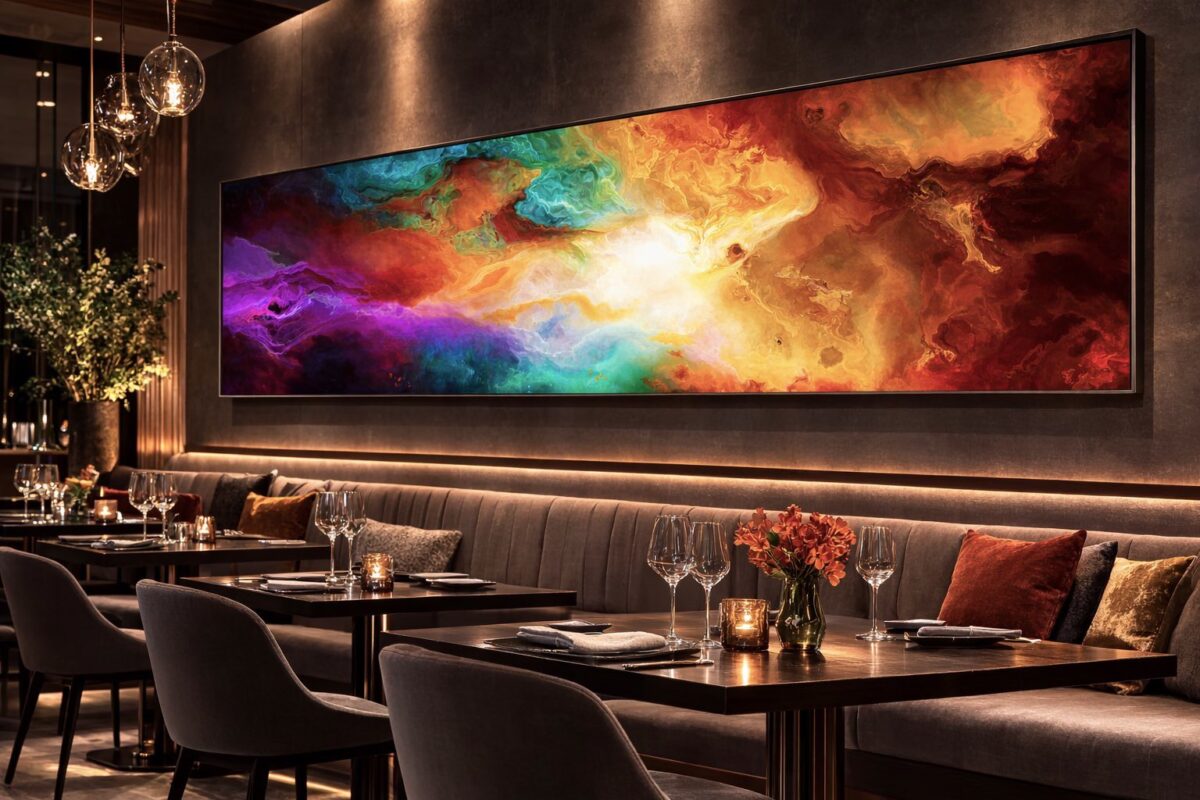
Large contemporary abstract art paintings work beautifully in restaurant interiors because they introduce energy and movement without distracting from the social environment. Rich color palettes—especially warm tones like reds, golds, and oranges—can complement ambient lighting and add depth to the room.
Panoramic artwork also works well above long banquettes or along feature dining walls, where its horizontal format naturally echoes the shape of the seating arrangement.
When carefully integrated, large abstract art becomes part of the identity of the restaurant itself.
Corporate Reception Areas
Corporate interiors often struggle with a balance between professionalism and personality. Large abstract artwork provides a way to introduce visual interest while maintaining a refined and modern aesthetic.
Reception areas in particular benefit from large-scale art because these spaces serve as the visual introduction to a company’s culture and values.
Panoramic artwork installed behind a reception desk or on a main lobby wall can communicate creativity, confidence, and sophistication—all without relying on literal imagery or corporate branding.
Many modern offices now incorporate abstract art to soften architectural lines and humanize otherwise minimal environments.
Wellness Clinics and Therapy Offices
Spaces dedicated to healing and reflection require a different emotional tone than hospitality or corporate environments.
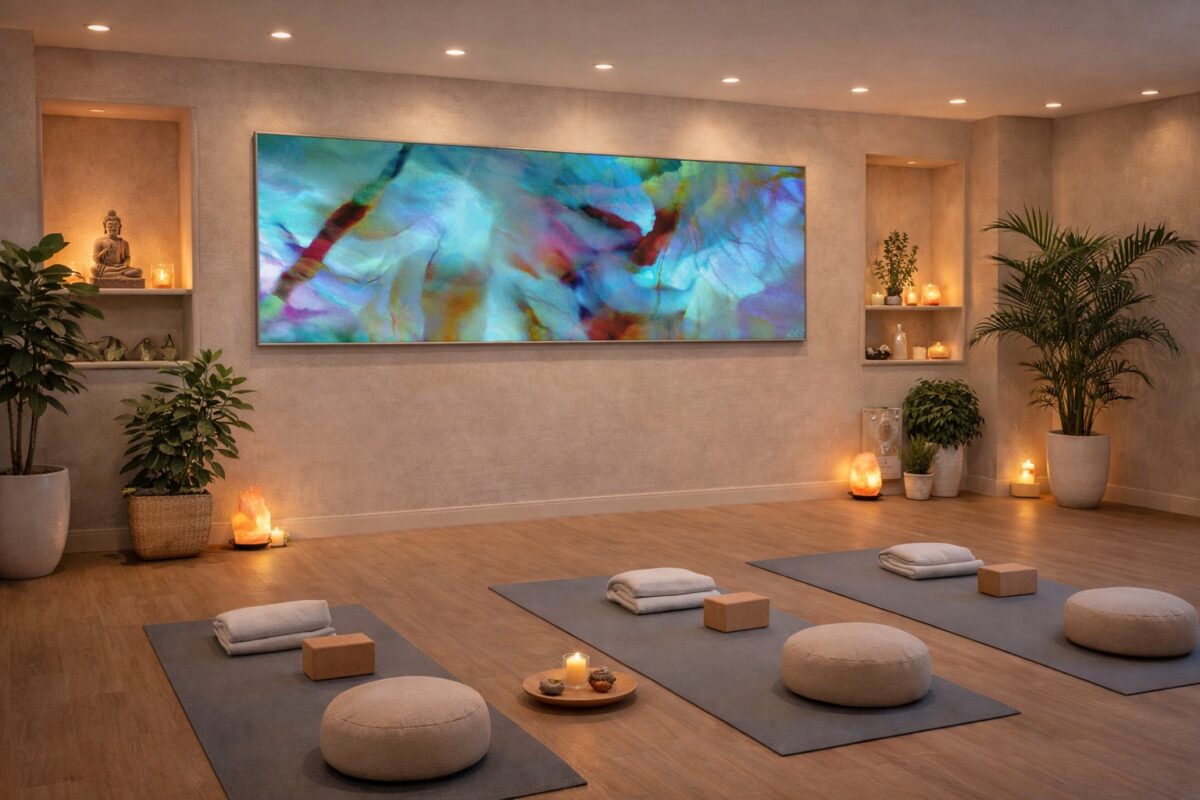
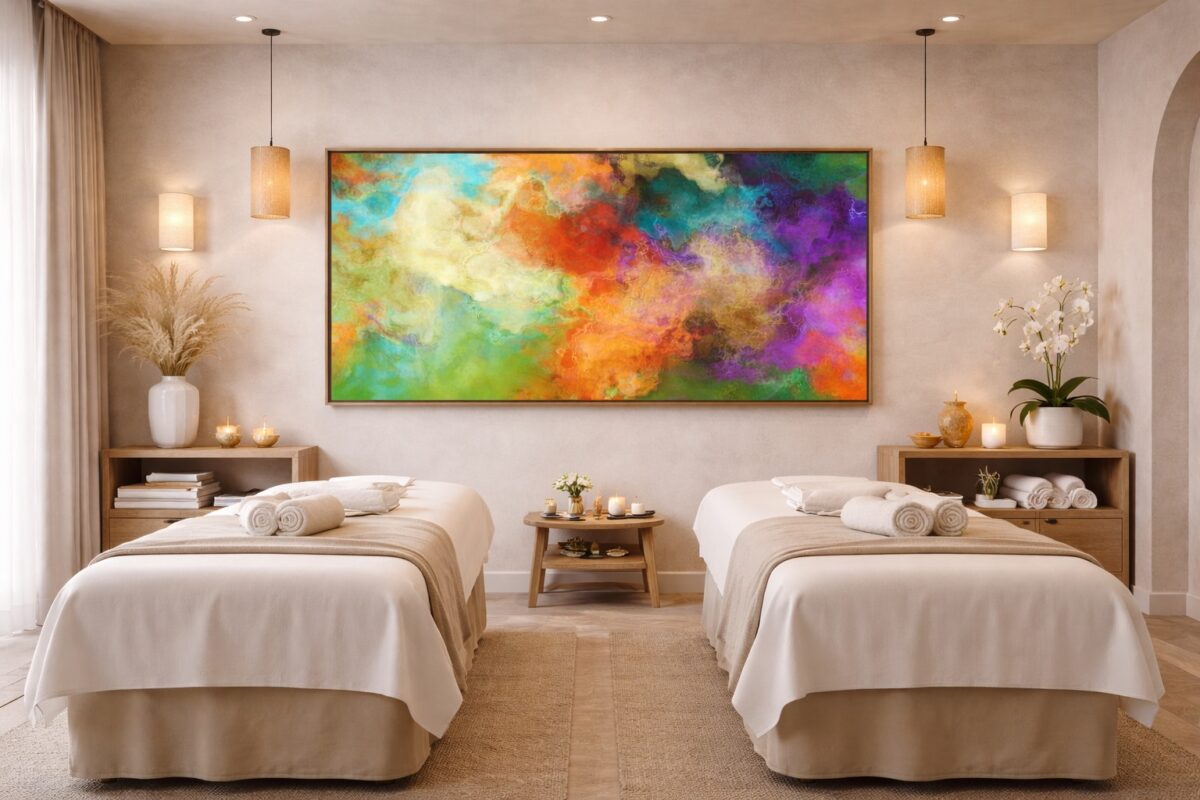
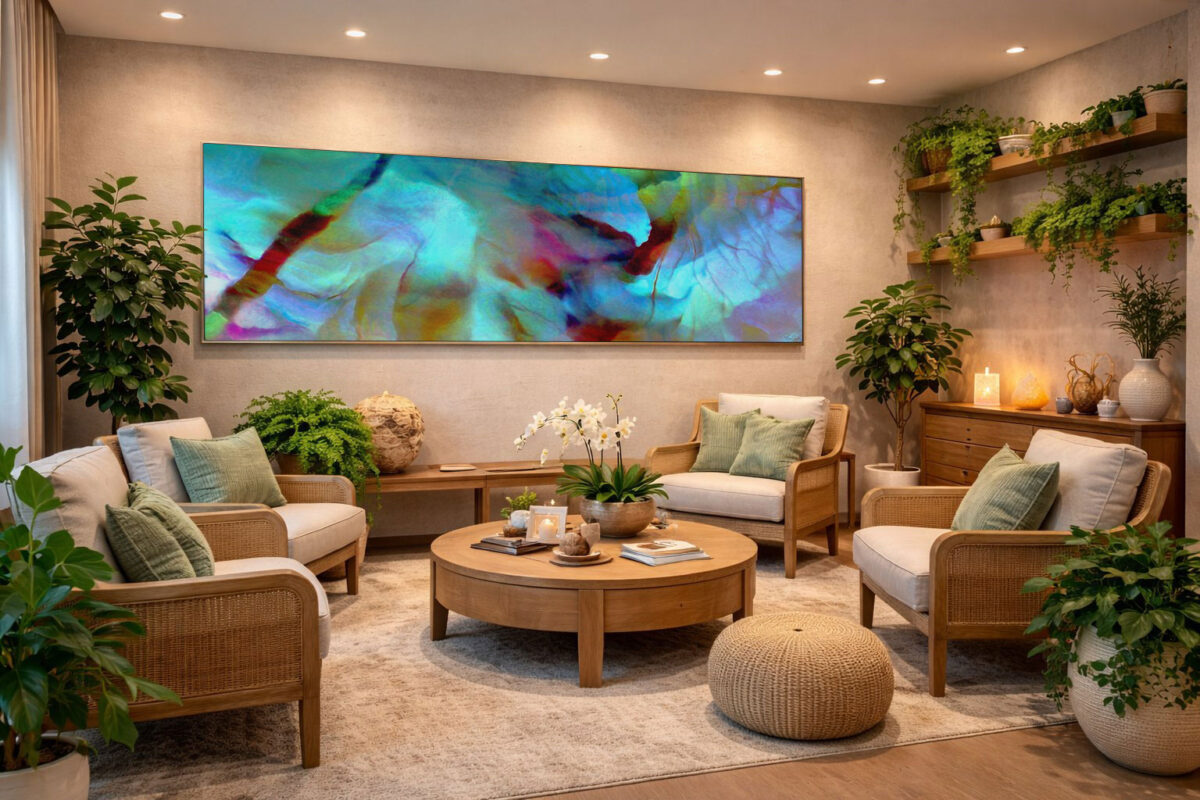
In wellness clinics, counseling offices, yoga studios, and meditation rooms, designers often choose artwork that promotes calm and emotional openness. Large abstract pieces with cool palettes—such as turquoise, aqua, soft greens, and gentle violets—can subtly reinforce this atmosphere.
Panoramic artwork works especially well in these environments because its wide composition creates visual flow without feeling overwhelming. Instead of dominating the room, the artwork becomes a quiet visual presence that contributes to the overall sense of balance and relaxation.
This is one reason many wellness interiors incorporate large abstract works as part of their design strategy.
Long Hallways and Transitional Spaces
Hallways are often overlooked in interior design, yet they offer some of the best opportunities for large-scale artwork.
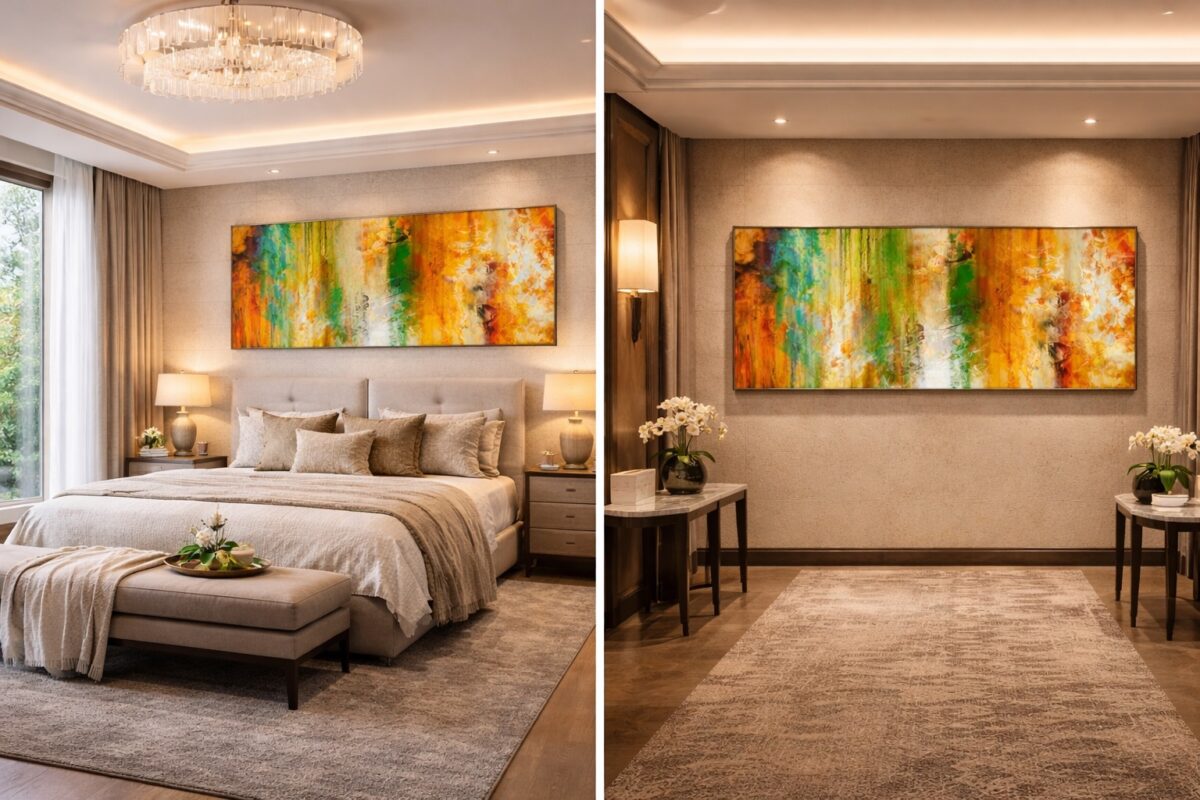
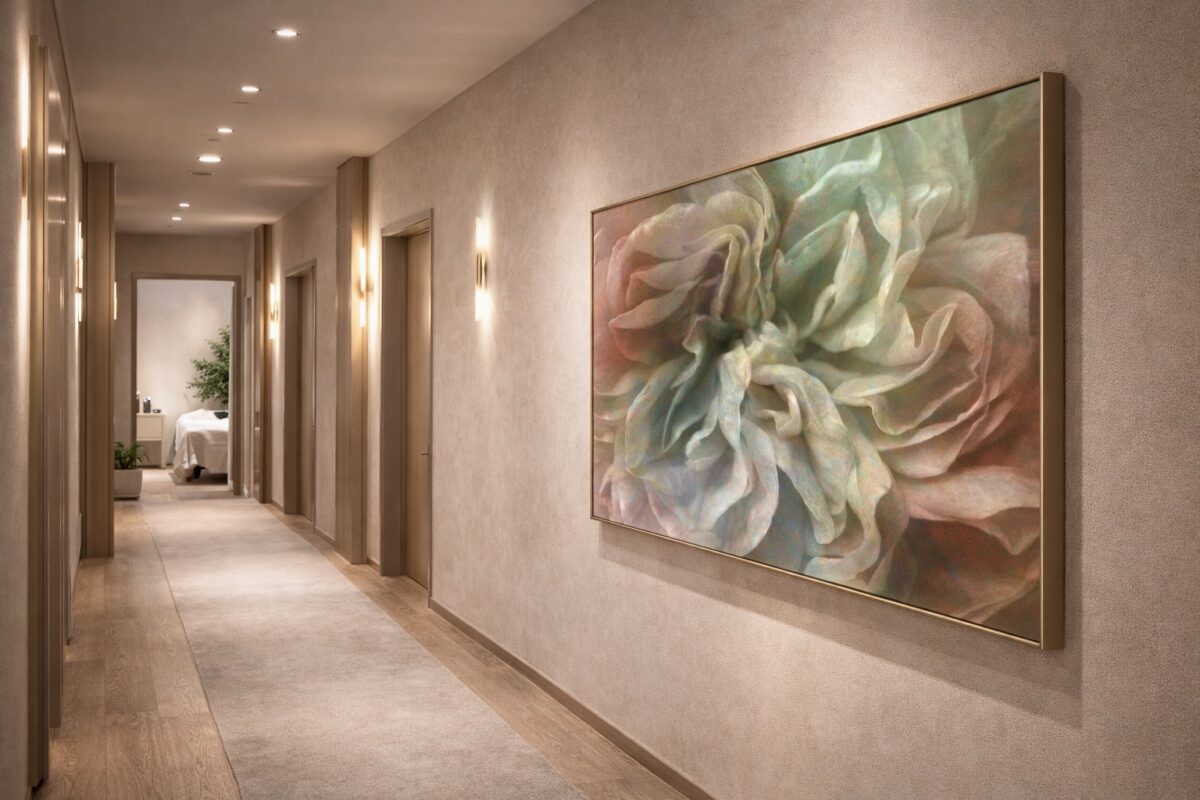
Long walls naturally complement panoramic compositions, allowing artwork to guide the viewer’s eye through the space. In hotels, wellness retreats, medical centers, and corporate environments, a single wide painting can transform an otherwise empty corridor into a visually engaging experience.
Lighting placed above or beside the artwork can further enhance its presence, turning the hallway into a gallery-like environment.
Why Panoramic Art Works So Well
Across all of these environments, panoramic abstract art succeeds for several key reasons.
- It mirrors architectural lines.
- It fills large walls without clutter.
- It creates a strong focal point.
- And it introduces emotional tone through color and movement.
Unlike representational imagery, abstract compositions remain open to interpretation. This flexibility allows the artwork to adapt to many different interior styles while still maintaining a sense of sophistication and visual depth.
For interior designers working with large contemporary spaces, panoramic abstract art has become one of the most versatile and powerful design tools available.
Art That Becomes Part of the Space
When chosen thoughtfully and installed at the right scale, large abstract artwork does more than decorate a room—it shapes the experience of the space itself.
Whether placed in a luxury residence, hotel lobby, wellness retreat, or corporate office, panoramic abstract art can unify architecture, color, and atmosphere in a single visual gesture.
And in the world of modern interior design, that kind of harmony is exactly what designers are trying to achieve.