
Home  /  2023  /  February

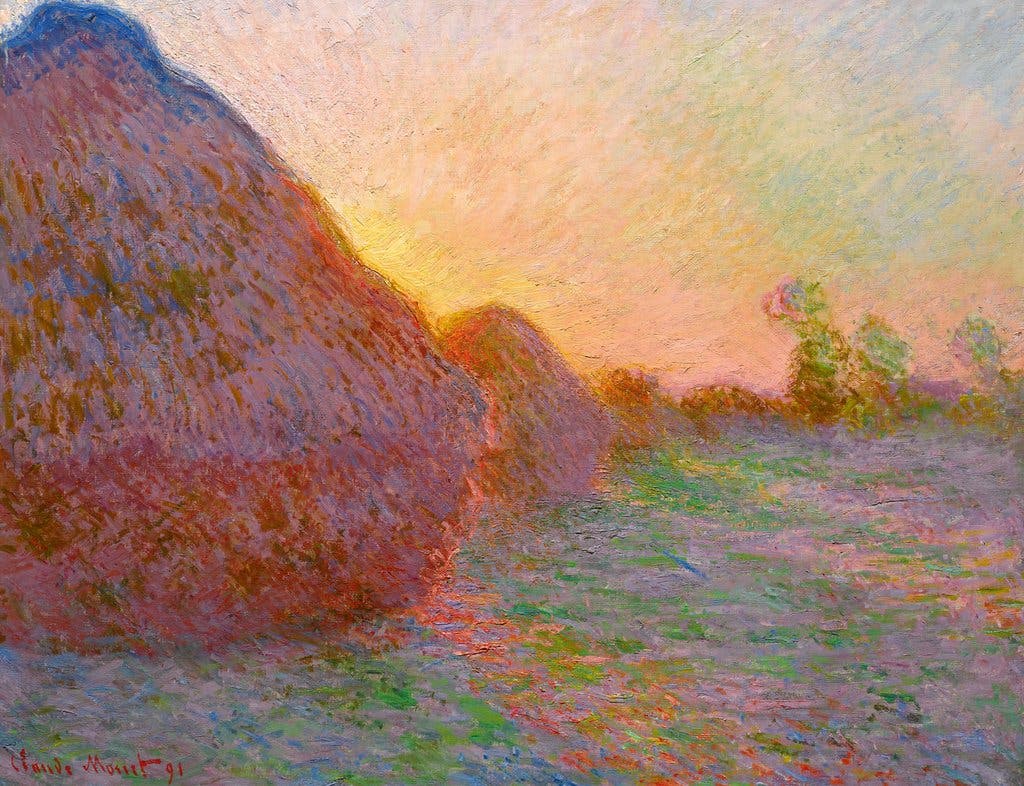
Claude Monet - Impressionism - "Mueles"- 1890

Modern Art

Let us start with modern art.  Modern art is a classification of an art period that includes artwork produced during the period extending roughly from the 1860s to the 1970s. 

It’s important to note that within the modern art period many experimental and expressive styles exist.

The modern art period was started by artists that had an experimental spirit for expressing new ideas and methods.  They explored beyond traditional techniques and pushed the boundaries of art. 

Impressionist Claude Monet and post-impressionist Vincent van Gogh were key figures. 

According to art scholars and historians the modern art movement ended around the 1970s when the term postmodern started to be used and pop art became the new thing. 

However, there is a grey area here because in general most people will use the term to describe art being created today if it has the same characteristics of new experimental expression.  And this makes sense because the word modern means “relating to the present or recent times as opposed to the remote past.”

Abstract Art

And that brings us to abstract art.  You might be thinking, what is abstract art?  And, is abstract art modern art?

Abstraction is a painting style classified within the modern art movement in the early 1900s. So yes, it is a type of modern art.  Abstract was a truly revolutionary style and a way for artists to create a departure from reality.

Wikipedia states: “Abstraction indicates a departure from reality in depiction of imagery in art. This departure from accurate representation can be slight, partial, or complete.”

Within the abstract style are many different spectrums and classifications of abstraction.

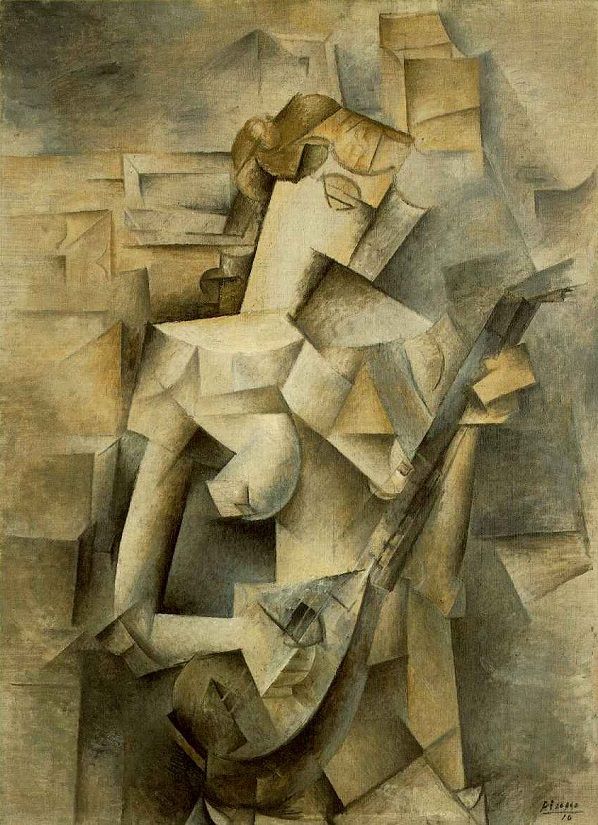
The earliest known abstract style was Cubism which started in 1908 and was developed by Pablo Picasso and Georges Braques. This abstract technique reduced the forms into basic geometric shapes.

Eventually, the abstract art style included art that did not try to represent reality at all, and this was called non-objective abstract painting. Russian artist Wassily Kandinsky is generally credited with creating the first purely non-objective abstract painting in 1910.

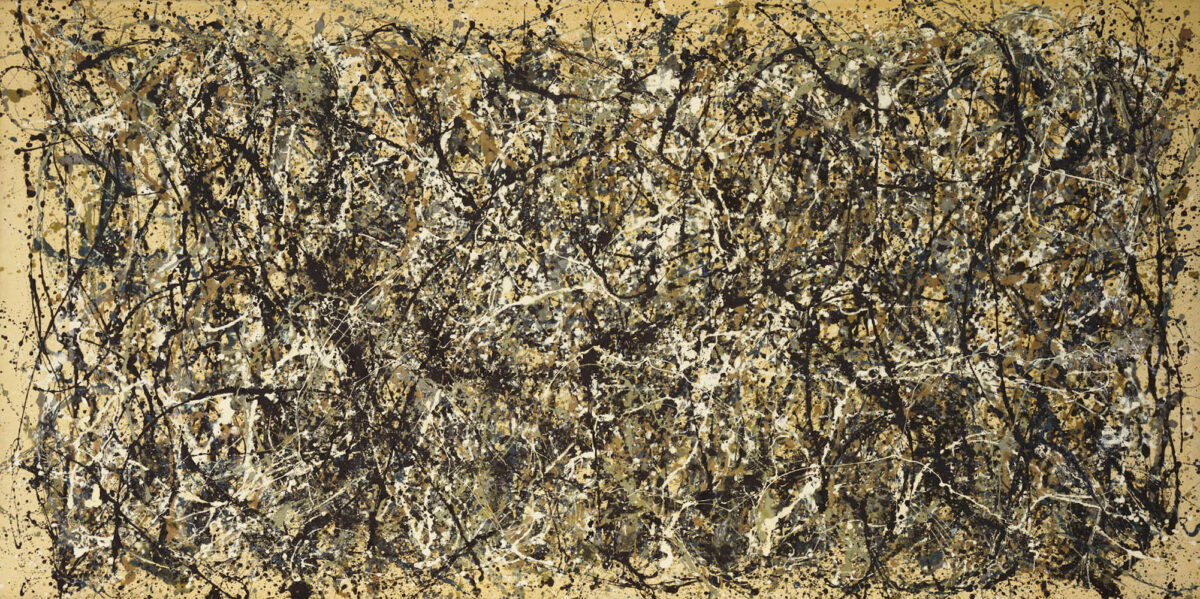
And in America, abstract art was not known until 1940 when the expressionist style of Jackson Pollock caught the eyes of the world.

And because abstract art is a style of painting and not a classification of an art period, abstract paintings are still being created today.
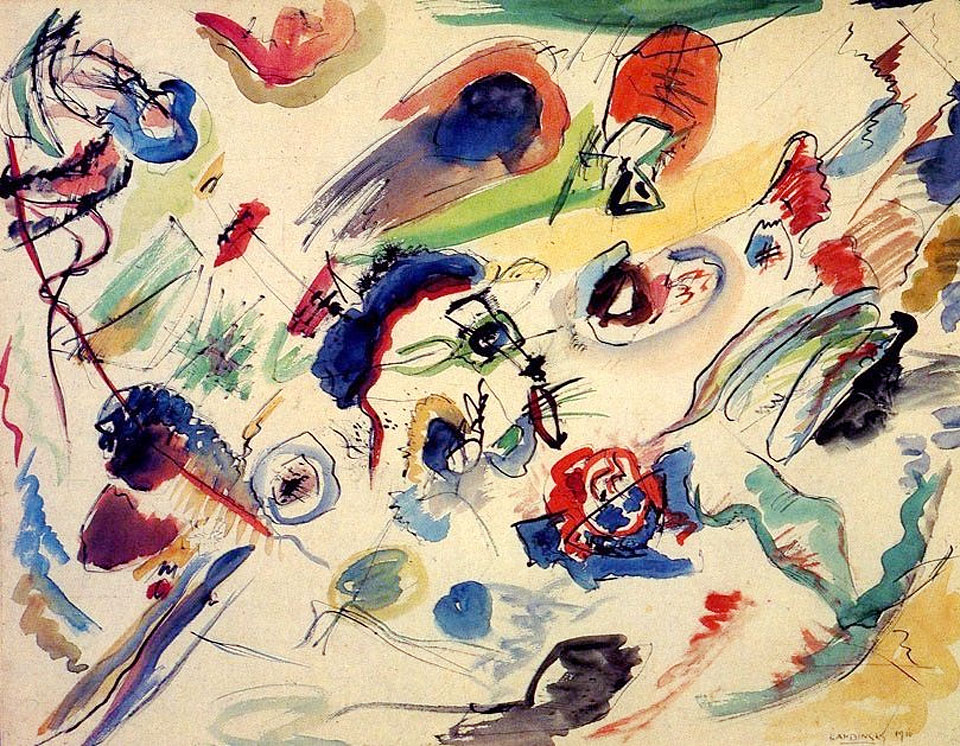
Wassily Kandinsky - Abstract Art - Untitled - First Abstract Watercolor -1910
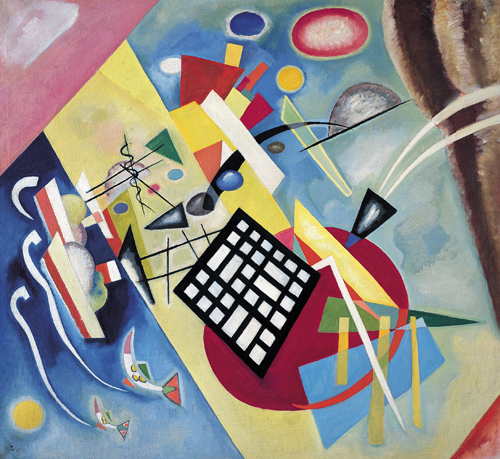
Wassily Kandinsky - Abstract Art - Black Grid, "Schwarzer Raster" -1922
Jackson Pollock - Abstract Painting - Number 31 - 1950
Jackson Pollock - Abstract Expressionism Painting - Number 31 - 1950
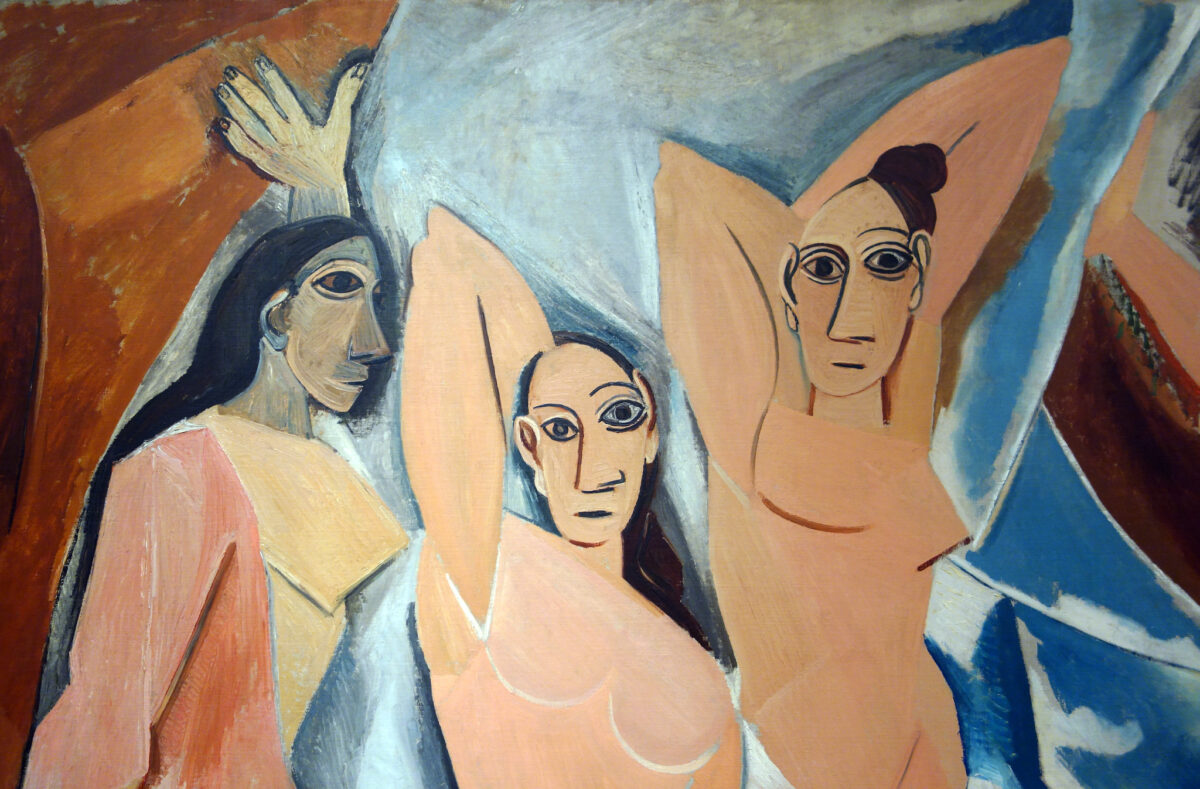
Pablo Picasso - Abstract Painting - "Les Demoiselles D'Avignon" -1907
Pablo Picasso - Abstract Painting - "Girl With Mandolin" -1910
Pablo Picasso - Cubism Abstract Painting - "Girl With Mandolin" -1910

Contemporary Art

Finally, that brings us to the current day.  Right now, we use the term contemporary art to define art as being created in our lifetime or in the current present moment.

So any artwork being created right now is technically contemporary no matter what the style.

But what has happened is that people use contemporary art to describe unique art created in new and different ways from the 1970s until now.

It is important to know that contemporary art refers to all art produced today utilizing the many technological advances – and that includes paintings, digital art, sculpture, photography, installation, performance, and video art.
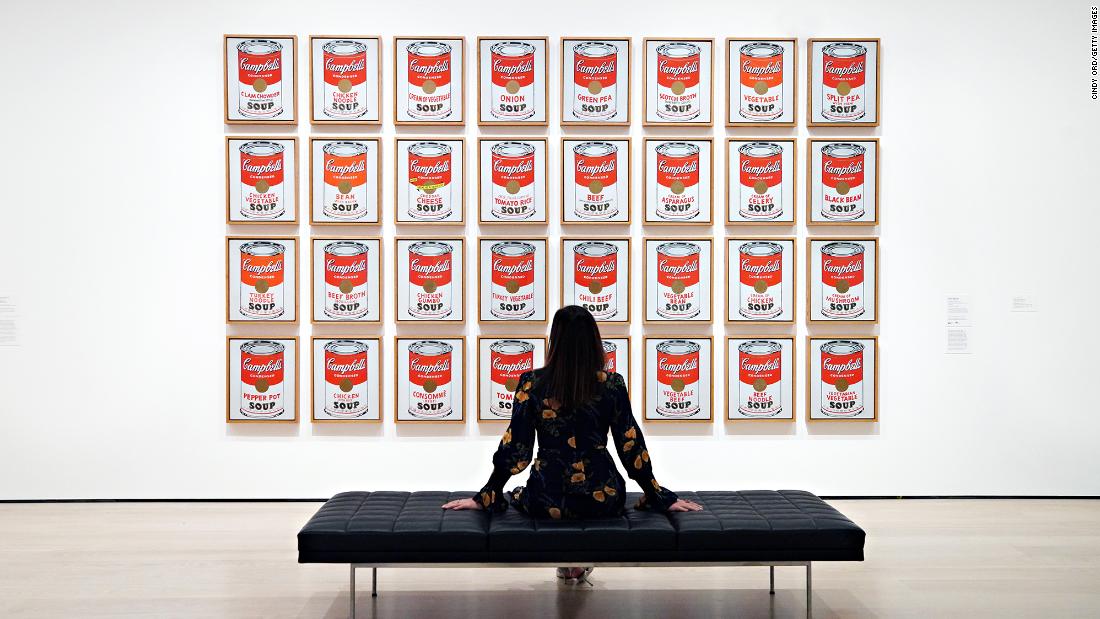
Andy Warhols - Campbells Soup Can's Painting - 1962
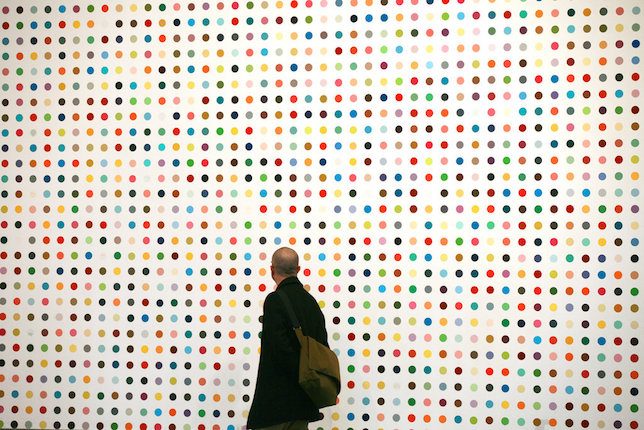
Damien Hirst - Spot Painting

Summary

Understanding the difference between contemporary art, modern art, and abstract art helps clarify how artists and historians describe different movements and styles. Modern art refers to a historical period of experimentation that emerged in the late 19th century and continued through the mid-20th century, while contemporary art describes artwork created in the present era. Abstract art, on the other hand, is not tied to a specific time period—it is a style that focuses on color, form, and expression rather than realistic representation, and it continues to evolve within both modern and contemporary art today.

By understanding these distinctions, collectors and art enthusiasts can better appreciate the context behind different works of art and the creative choices artists make when exploring form, color, and emotion.

For a deeper overview of how these art styles relate and how they evolved, see our complete guide: A Complete Guide to Choosing Large Abstract Wall Art for Homes, Offices, and Wellness Spaces
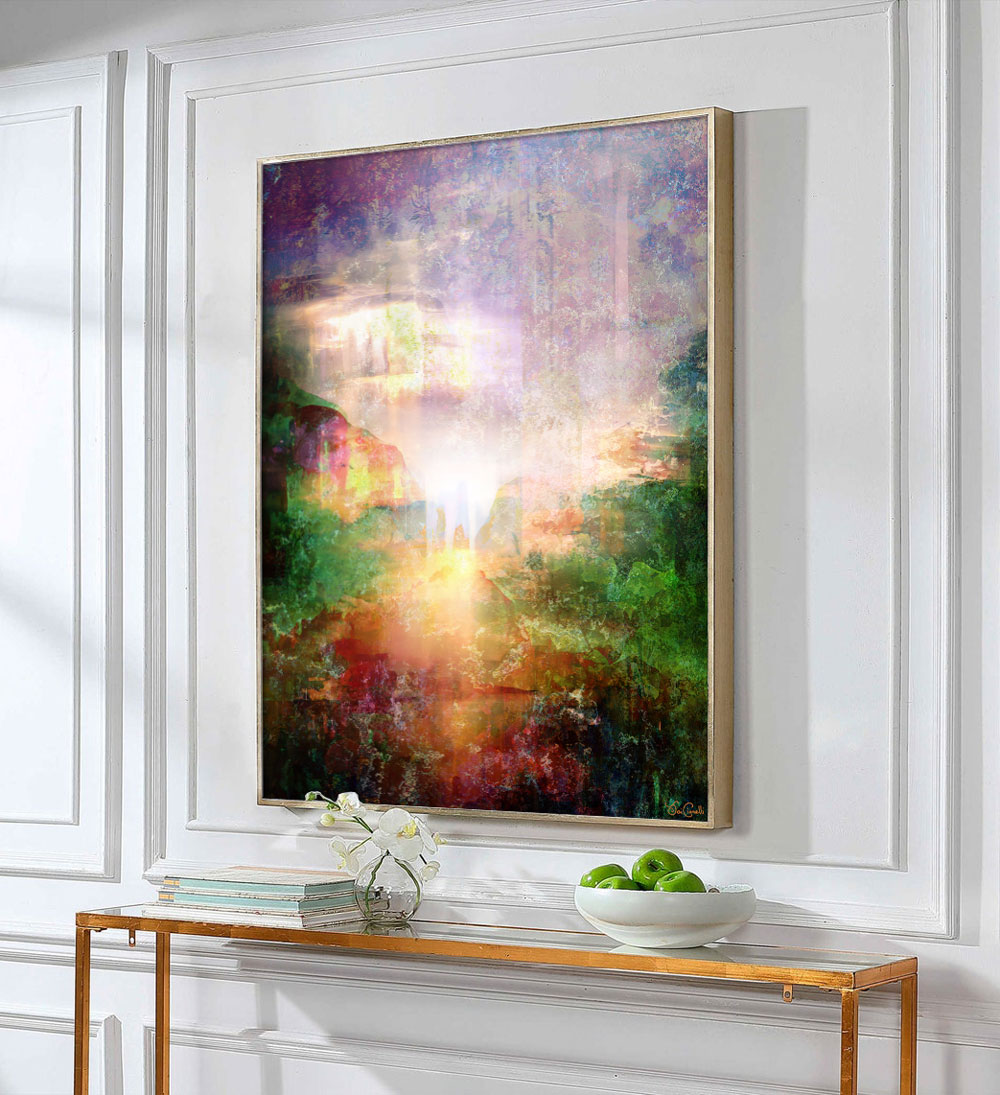

The difference between framed vs. unframed canvas is very slight. But deciding which type you need for your interior decor makes all the difference towards creating cohesiveness and beauty in your space.

What is Unframed Canvas?

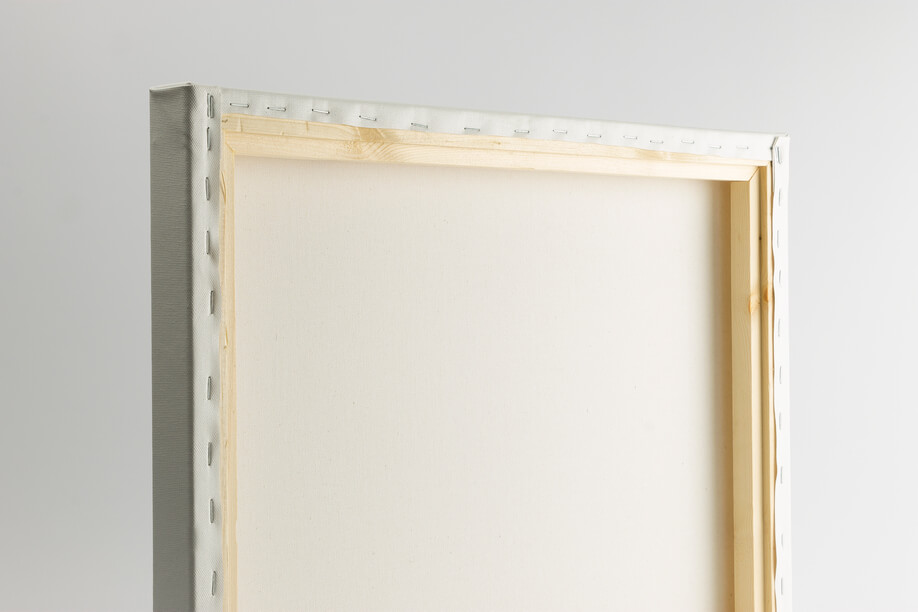
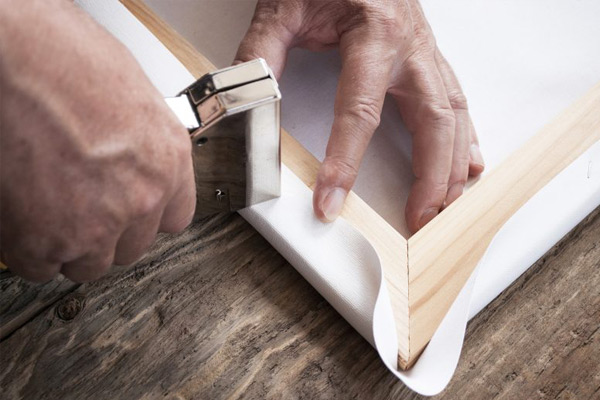
Are you wondering what is a canvas print without frame? Usually the term “unframed canvas” is used to describe artwork that is not set into a frame. A frameless canvas wall art print or painting can still be hung without a frame because the canvas is stretched and stapled onto wooden bars that create a simple internal frame. Another way to describe this type of minimalist canvas artwork is a “gallery canvas” or “gallery wrapped canvas.”

In this article we are referring to this type of canvas.  Not often, but sometimes unframed canvas is a term used to describe canvas that is not mounted to stretcher bars at all, meaning it is literally just canvas art that comes rolled in a tube. This type of canvas will need to be stretched later on.

Framed Vs Unframed Canvas

Unframed Canvas Wall Art

Unframed canvas wall art prints are very popular.  The modern minimalist look of a frameless canvas wall art works especially well with today’s contemporary furniture and overall interior setting.  They are also versatile because they can adapt to any room decor style.

If you plan to hang your canvas unframed then it is important that the artwork is a gallery wrap canvas because it will come stretched onto 1.5″ thick stretcher bars that are strong enough to be hung without the support of a frame. The chunkier proportions of  a gallery wrap also compliment the canvas artwork as a whole, giving it a little more visual strength, something you need since there is no border frame.

On a gallery wrapped canvas you will want the artwork carried onto the sides or a black colored border. This will also help create a completed look to the art.  Take a look at the examples below to see the difference in unframed canvas art.

Framed Canvas Wall Art

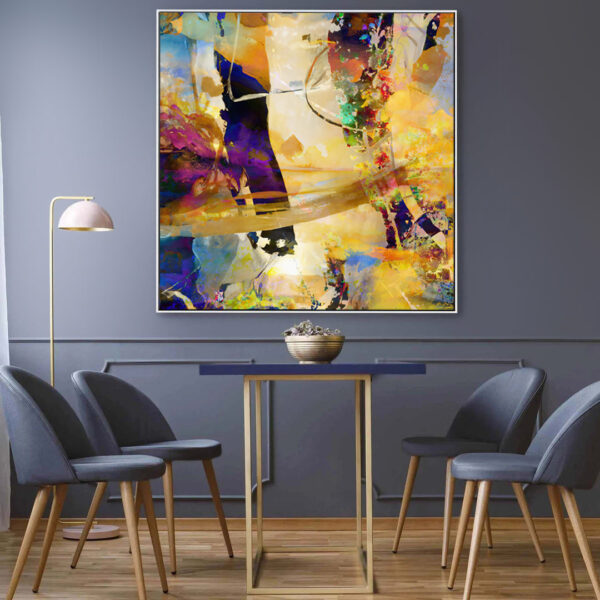
A framed canvas wall art prints are lovely when done correctly.  Framed canvas art can feel more completed and cohesive in a well appointed setting.  Framed canvas works best when it matches and harmonizes with interior decoration. The frame itself can complement and highlight the quality of artwork.

If you decide to frame modern canvas art we prefer floater frames. They are simple and provide an understated elegance to the art.   They are available in gold, black, or silver.

It should be noted something magical and complimentary happens when the shimmer of a gold or silver frame matches the metal in the interior space as well as the shimmer in the artwork. All the elements come together so perfectly!

If you choose a more traditional frame instead of the floater frame, then you can order the canvas art on the thinner 5/8” stretcher bars. This will help reduce cost and give you more framing options.  A more classically decorative frame works well with more traditional art, however it is possible pull off using a more modern piece of art if the artwork has similar texture, patterns, or forms.  Take a look at the examples below to see the difference in framed canvas art.

Elegant Decor and Modern Style

In your attempts to achieving a beautifully decorated space, sometimes the choice to frame canvas art is simple if you think in terms of cohesiveness and size. Generally speaking smaller artwork looks better framed, and matching that frame to your decor does wonders to complete the look.

For example, a smaller canvas art sitting above an end table will fit in perfectly when framed especially when the frame matches the material of the table. It ties together so nicely!

On the other hand, a very large modern abstract art piece hung in a minimalist contemporary living space, doesn’t necessarily require the frame. The expansiveness of the large oversized canvas is all that is needed to convey the emotional impact of the abstract art. That’s not to say a large canvas shouldn’t be framed, it’s just that sometimes the understated elegance of unframed canvas harmonizes better with the simplicity of space. If you are hanging large modern canvas art visit this article for 7 big modern canvas wall art ideas.

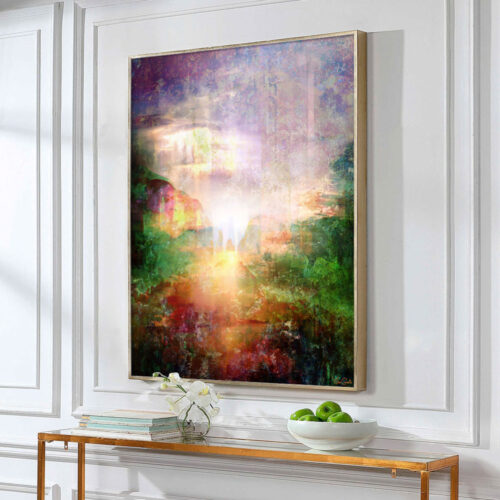
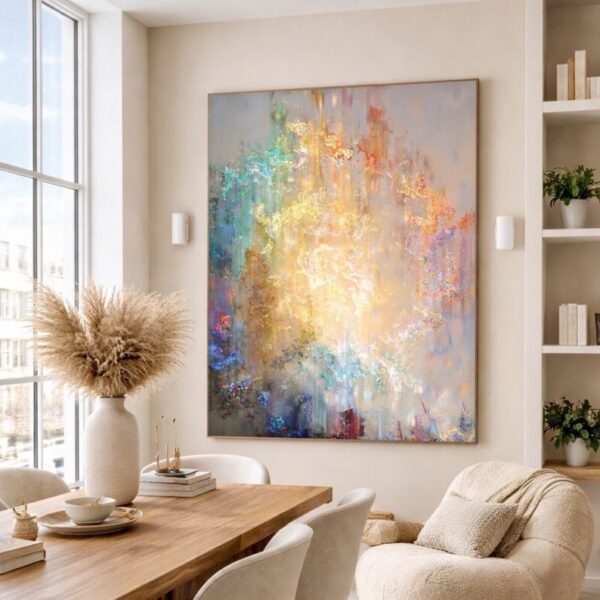
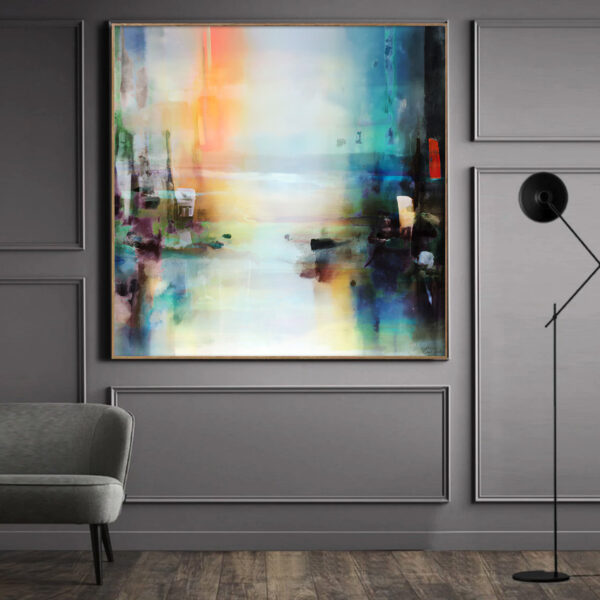
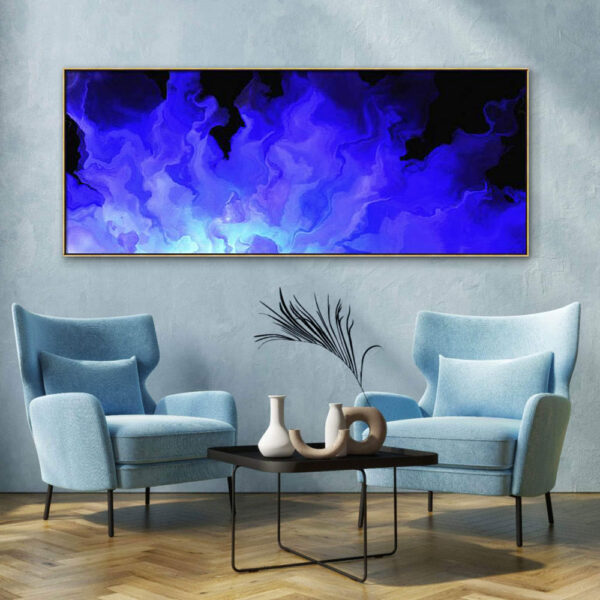
The Difference Between Framed and Unframed Canvas Art - Framed Sample Canvas Art
Framed Canvas Art "Drop Of Heaven" by Jaison Cianelli.
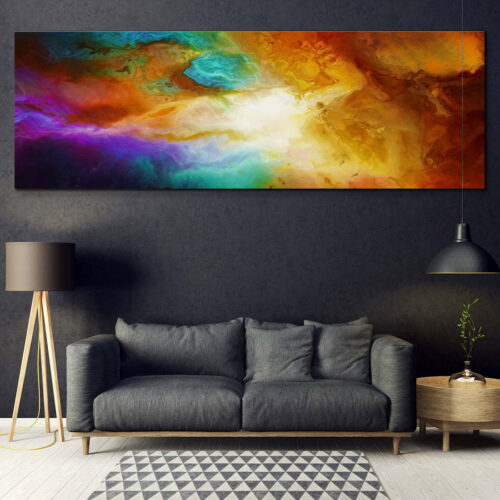
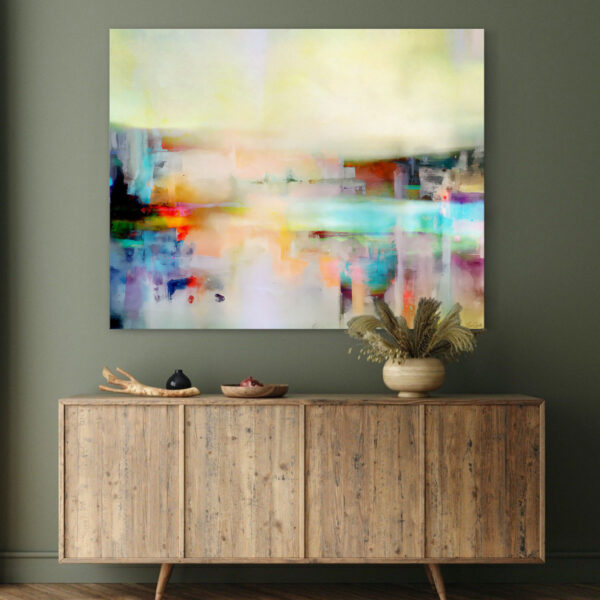
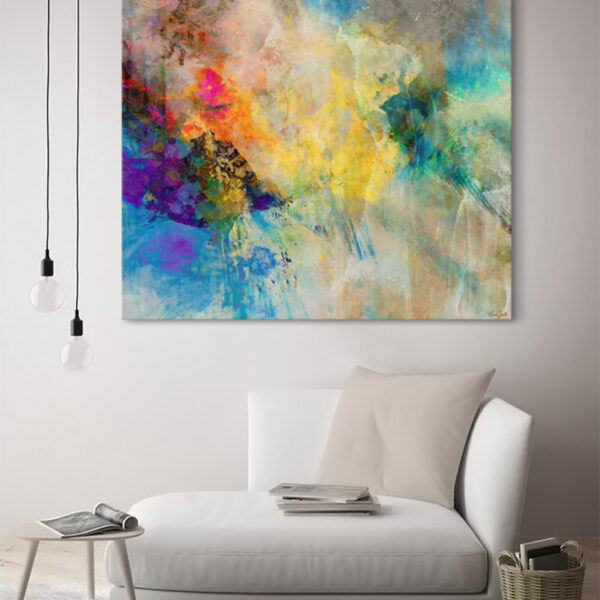
The Difference Between Framed and Unframed Canvas Art - Unframed Sample Canvas Art
Unframed Canvas Art "Becoming" by Jaison Cianelli.

Framed Canvas Wall Art Sets

Hanging canvas art as a 2 or 3 piece wall art set can add a bold and elegant touch to your home. With the addition of framing the sets you create even more visual grid lines and more attention to the art.

You will also notice your eye is drawn to the framed canvas that is dark and includes a contrasting white mat. This may or may not be something you desire.  A white frame is more subtle and will allow for the set to be a little less attention grabbing.

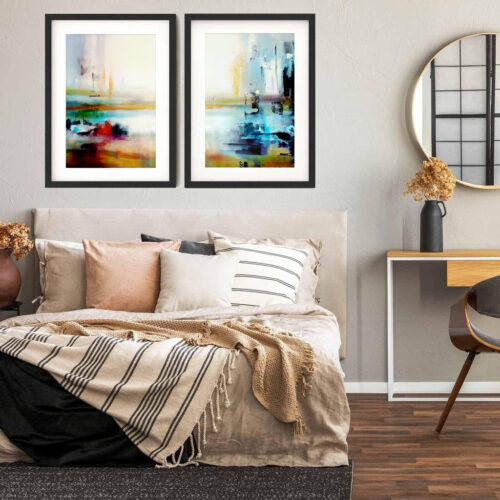
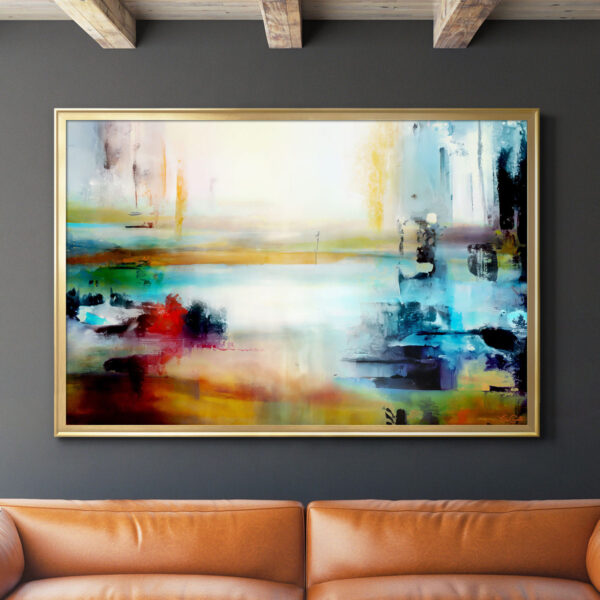
Framed Canvas Art-Contemporary Abstract Art Gallery Wall 2 Piece Set
2 Piece Framed Canvas Art "Abstract Landscape Floating" by Jaison Cianelli.
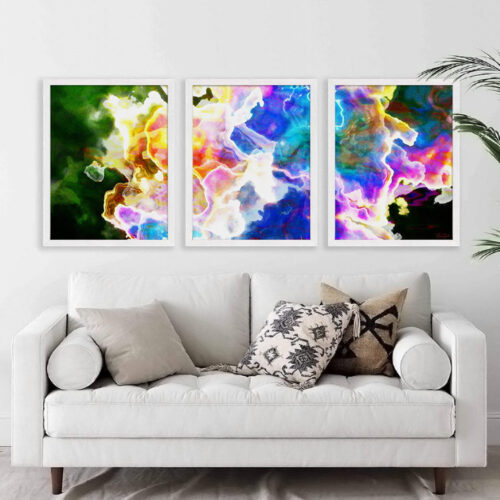
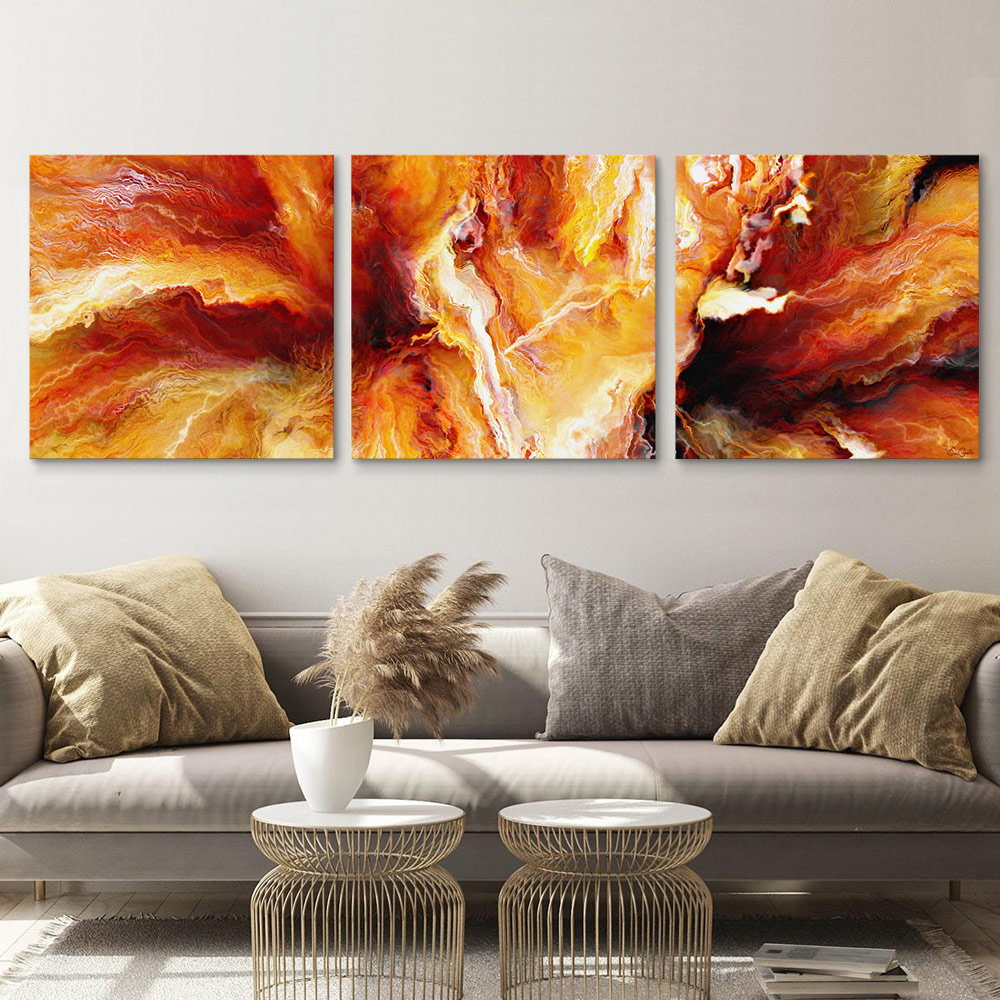
Framed Canvas Art-Contemporary Abstract Art Gallery Wall 3 Piece Set
3 Piece Framed Canvas Art "Essence" by Jaison Cianelli.

Unframed Canvas Wall Art Sets

If you desire the canvas art set to be softer on the eyes you can always hang the canvas unframed.  Many times unframed canvas sets are already eye catching enough especially if the artwork has a lot of color and movement.  So in many applications hanging them unframed is just fine and gives a little bit more of an understated look that balances out the feel of the space.

Unframed Canvas Art-Contemporary Abstract Art Gallery Wall 3 Piece Set
3 Piece Unframed Canvas Art "Essence" by Jaison Cianelli.

Conclusion

Choosing between framed and unframed canvas wall art ultimately comes down to the look you want to achieve in your space. Unframed canvas offers a clean, modern presentation where the artwork itself becomes the focus, often complementing contemporary interiors and minimalist design. Framed canvas, on the other hand, can add structure and refinement, helping the artwork feel more integrated with surrounding furniture and décor.

Neither option is inherently better—the decision depends on the size of the artwork, the style of the room, and the visual impact you want the piece to have. Large modern abstract paintings often work beautifully without a frame, while smaller pieces or gallery sets can benefit from the added definition that a frame provides.

If you’re exploring how artwork size, placement, and presentation work together in interior design, you can also read our comprehensive guide:
A Complete Guide to Choosing Large Abstract Wall Art for Homes, Offices, and Wellness Spaces
This guide explores how to choose the right large wall art for different environments and how presentation styles—such as framed or unframed canvas—affect the overall visual balance of a room.