
The Creative Process Behind the Abstract Art of Jaison Cianelli
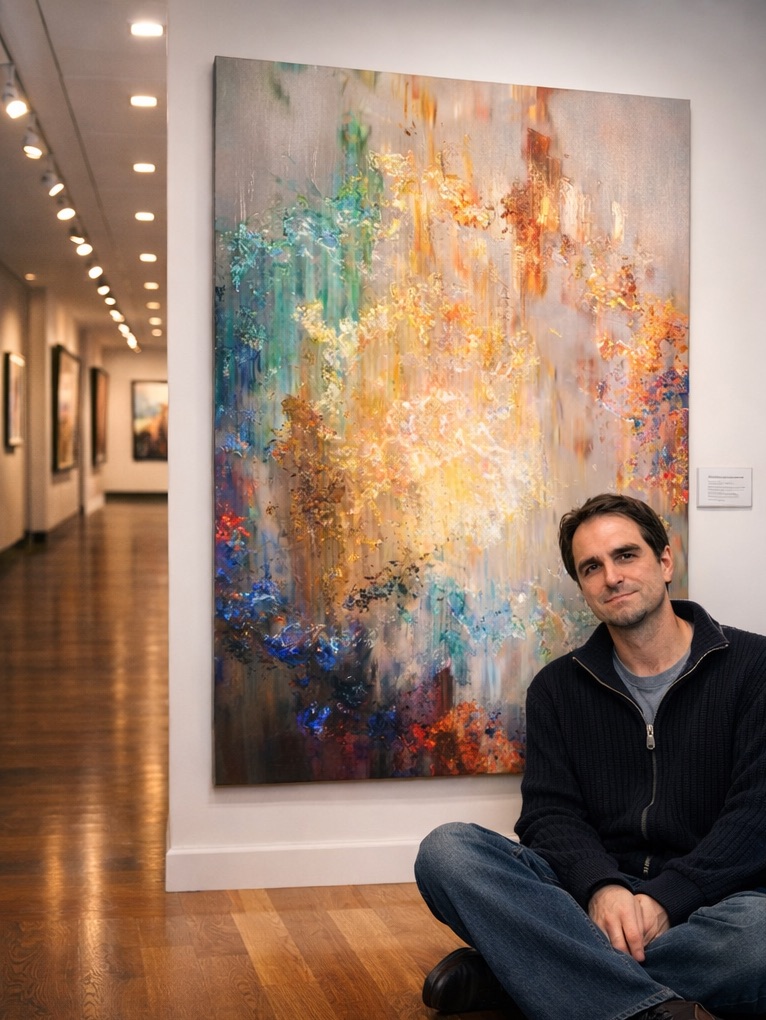
Abstract art often appears spontaneous, as if it emerged fully formed from color and motion. But behind many abstract works is a process of discovery, experimentation, and careful refinement. For contemporary artist Jaison Cianelli, the journey toward a finished artwork begins with exploration—layering photography, digital techniques, and painterly textures into luminous compositions that evoke nature, energy, and atmosphere.
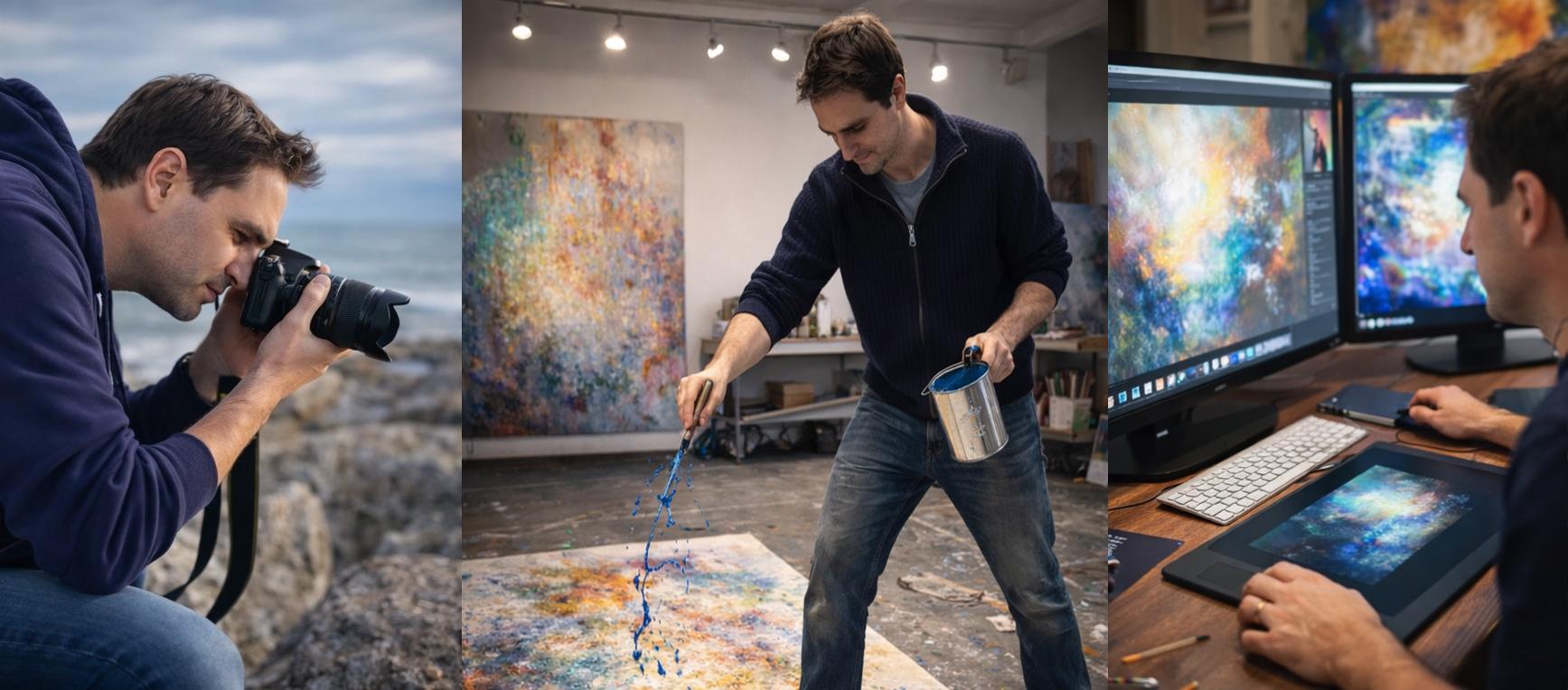
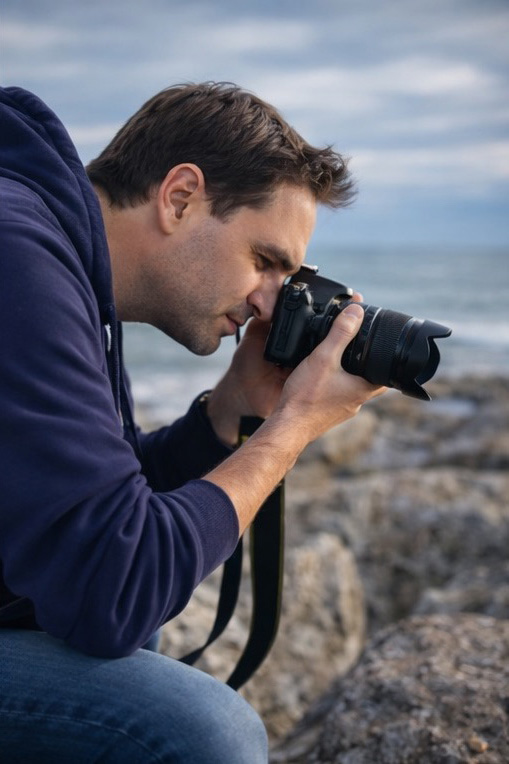
Cianelli’s work lives at the intersection of digital art, photography, and traditional painting. His oversized and large-scale abstract art pieces are created by blending multiple visual elements in a layered process that allows forms and colors to evolve organically. Rather than starting with a rigid plan, the artist often begins with a photograph or natural texture, which becomes the foundation for the composition.
From there, the image is transformed through experimentation that could be classified as digital abstract expressionism.
Textures may be altered using specialized visual tools, layered with photographs of real paint brush strokes, and blended repeatedly in Photoshop until a complex visual environment begins to emerge. This stage of the process is highly exploratory. Images may shift dramatically as layers are added, removed, and rebalanced. Colors evolve, forms dissolve and reappear, and the artwork gradually begins to reveal its direction.
For Cianelli, the most important moment arrives when the image suddenly feels alive.
“I know right away if I have something,” he says. “It’s a special feeling.”
That recognition is not purely intuitive—it is the result of years of visual experience. At a certain point in the layering process, composition, color harmony, and movement align in a way that creates emotional clarity. When that moment happens, the artist knows the piece is moving toward completion.
From there, the image is transformed through experimentation.
Textures may be altered using specialized visual tools, layered with photographs of real paint brush strokes, and blended repeatedly in Photoshop until a complex visual environment begins to emerge. This stage of the process is highly exploratory. Images may shift dramatically as layers are added, removed, and rebalanced. Colors evolve, forms dissolve and reappear, and the artwork gradually begins to reveal its direction.
For Cianelli, the most important moment arrives when the image suddenly feels alive.
“I know right away if I have something,” he says. “It’s a special feeling.”
That recognition is not purely intuitive—it is the result of years of visual experience. At a certain point in the layering process, composition, color harmony, and movement align in a way that creates emotional clarity. When that moment happens, the artist knows the piece is moving toward completion.
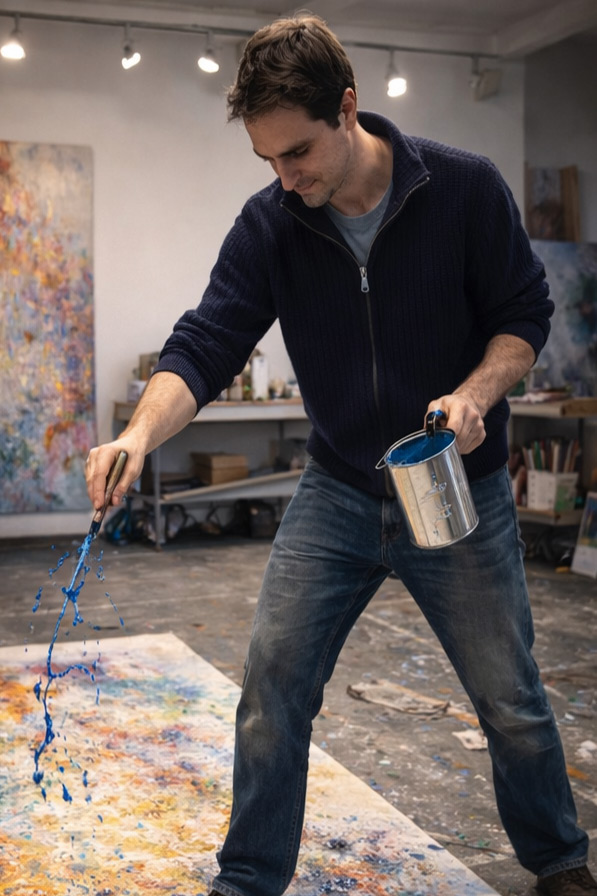
But the process doesn’t end there.
Stepping away from the artwork is an important part of refinement. Distance allows the artist to return with a fresh perspective, adjusting subtle variations in color, contrast, and visual balance. In abstract work, even small changes can significantly affect the overall energy of the piece.
“Color variations are infinite,” Cianelli explains. “At some point I have to draw the line and say it’s good—it’s done.”
Not every experiment reaches that stage. Many compositions remain unfinished, becoming part of a growing archive of textures and visual studies. These fragments are not discarded entirely; instead, they often serve as raw material for future artworks. Elements created years earlier may suddenly become the perfect foundation for a new composition.
This evolving library of imagery contributes to the distinctive character of Cianelli’s mixed media work. His paintings frequently evoke natural textures and imagery—water, mineral patterns, atmospheric clouds, feathers, light patterns, or flowing landscapes—while remaining entirely abstract. The layered textures and luminous color transitions give the impression that light is moving through the image rather than simply sitting on the surface, resulting in abstract nature art that feels alive and moving.
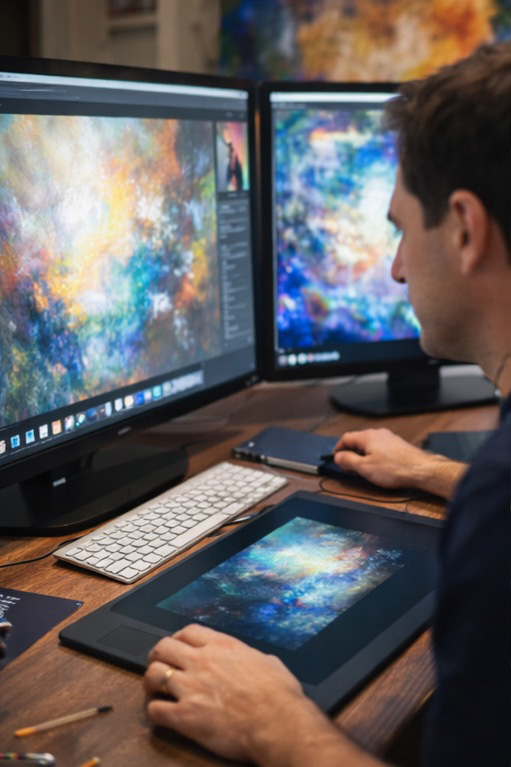
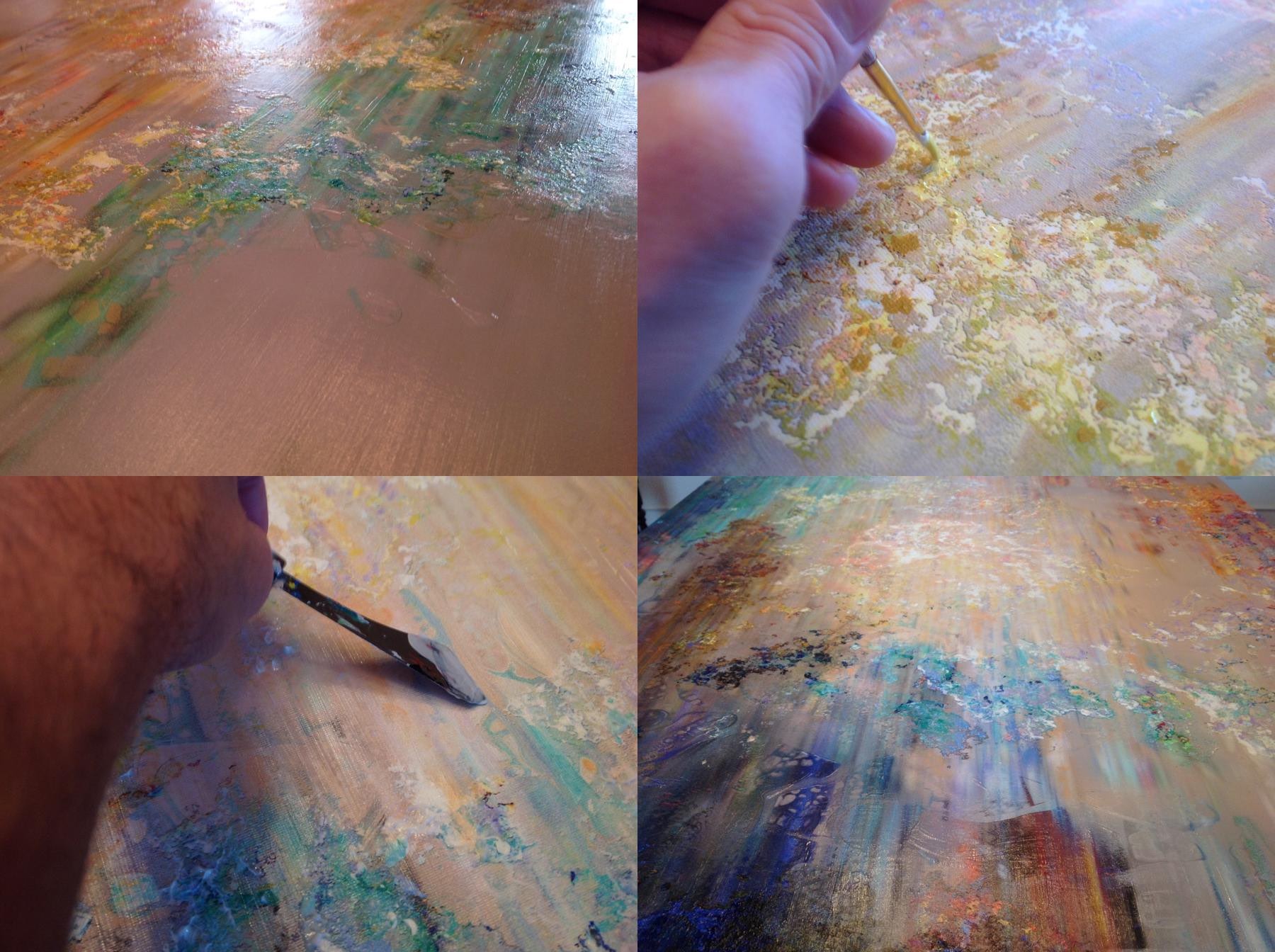
Once a piece is completed digitally, it is produced as large-scale wall art on canvas or other materials such as acrylic and metal. Sometimes embellishments are applied on top of the surface such as paint and brush stroke texture with gloss varnish.
The expansive panoramic formats that often appear in his work make the paintings especially well suited for modern interiors. Installed above sofas, in hotel lobbies, or along architectural corridors, the artwork becomes a visual anchor within the space.
Pieces such as Mother Earth, Secret Garden, and Passion demonstrate the emotional range within Cianelli’s abstract language—from calm atmospheric diffusion to energetic bursts of color and motion.
Despite the technical tools involved, the goal remains deeply rooted in artistic exploration and abstract expressionism.
Each new piece begins the same way: with curiosity, experimentation, and the willingness to follow where the image leads.