

Art Buying and Decorating Tips: How to Choose Wall Art
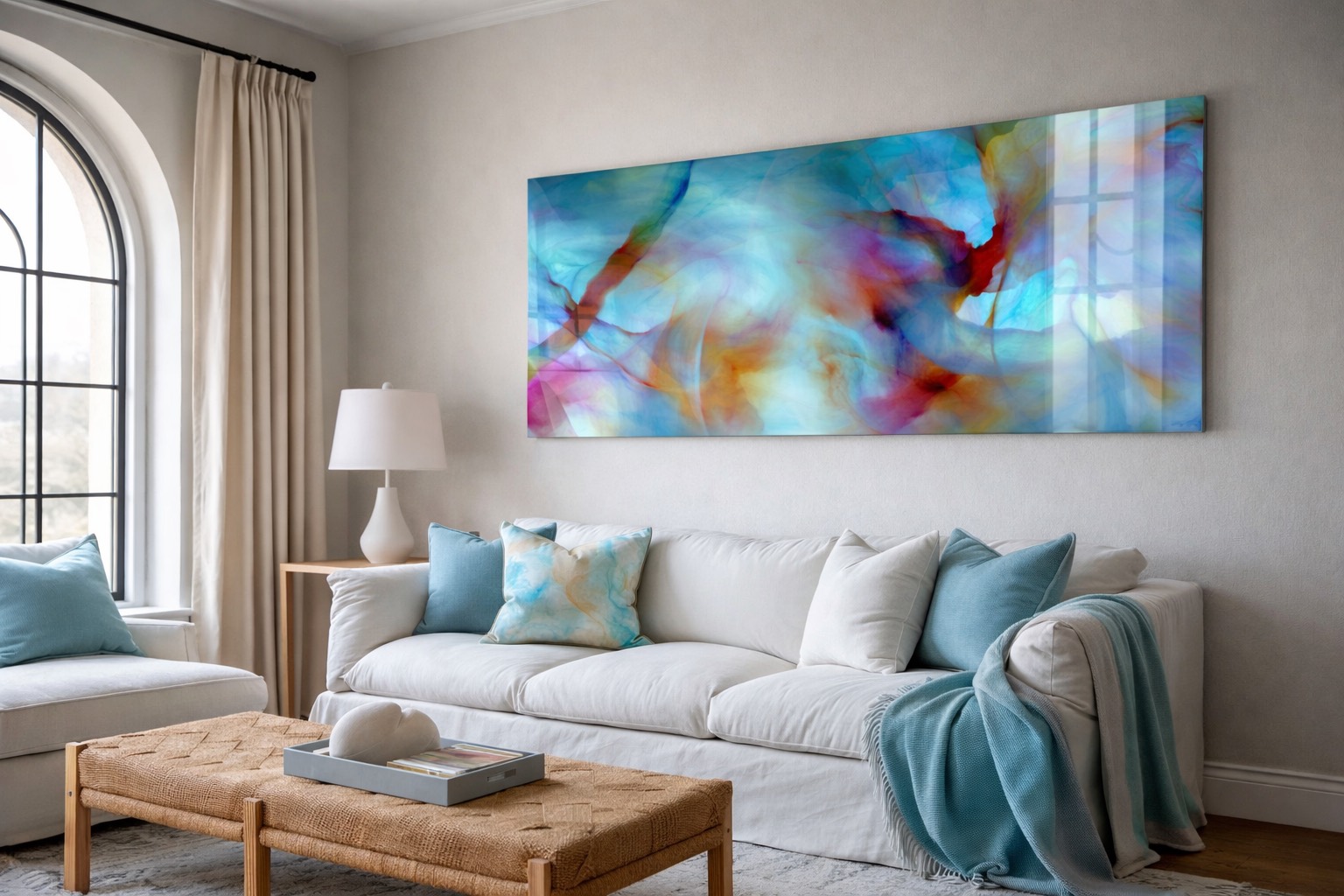
Every piece of wall art needs a home—and choosing the right wall art is about more than just finding something you like. The relationship between wall art and interior space plays a major role in how a room feels. When wall art and décor work together, they create balance, harmony, and visual richness.
Many collectors begin by choosing wall art they love and connect with emotionally, then adjust their interior design to support it. That approach works beautifully. Sometimes, all it takes is a small décor update—such as pillows, paint accents, or textures—to let the wall art become the focal point of the room.
If you’re buying wall art or art prints for your home, understanding your options will help you choose confidently and invest in pieces you’ll enjoy for years to come.
Understanding Contemporary and Abstract Wall Art
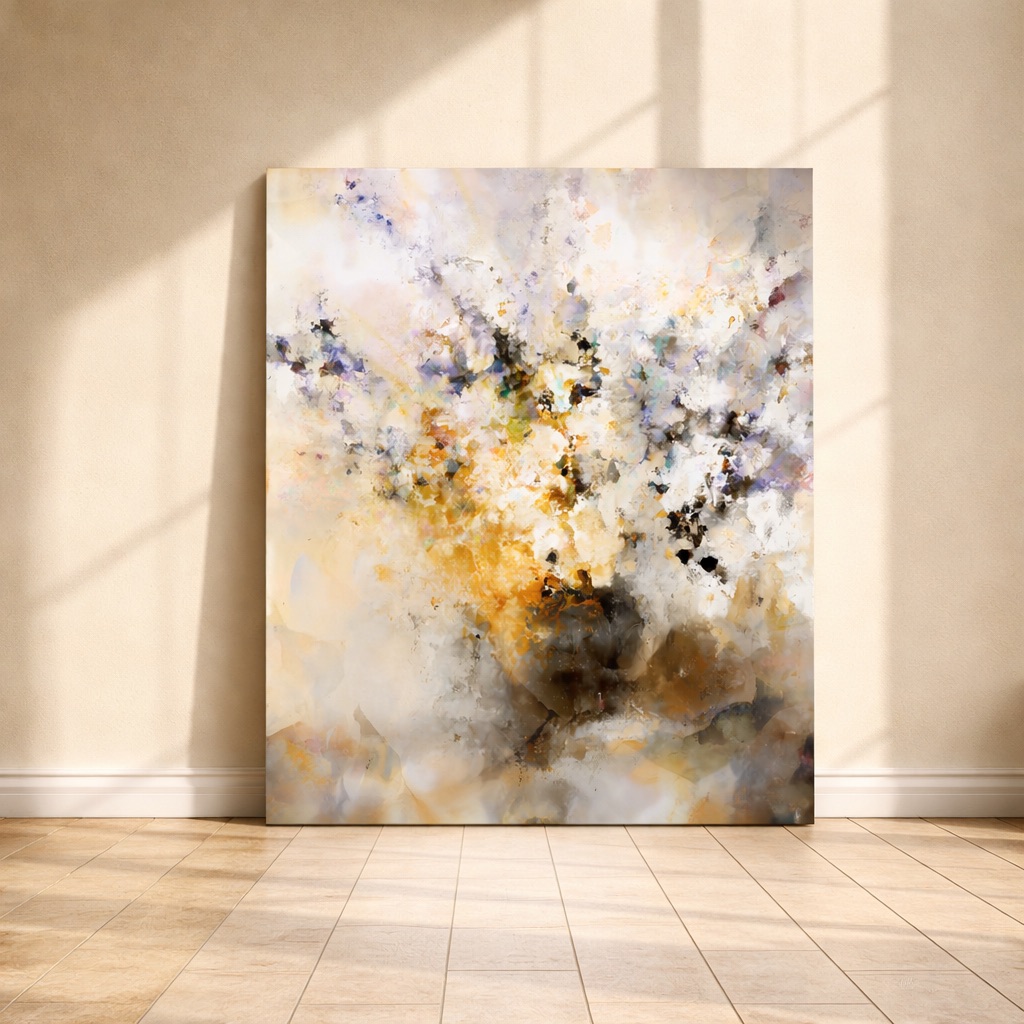
When choosing wall art for your home, it helps to understand the style you’re drawn to. Contemporary wall art and abstract wall art are especially popular in modern interiors because they focus on mood, movement, and expression rather than literal imagery. Abstract wall art, in particular, allows for personal interpretation, making it easy to connect emotionally while fitting into a wide range of décor styles.
If you’ve ever wondered how contemporary art differs from modern or abstract art—or which style best suits your space—it’s worth exploring the nuances. Understanding these distinctions can help you choose wall art that aligns with both your design aesthetic and your lifestyle. This guide on contemporary art, modern art, and abstract art—what’s the difference breaks it down and can help you choose artwork that aligns with both your style and your space.
Choosing the Right Wall Art Print Medium
Selecting the right wall art medium can dramatically affect how artwork looks and feels in your space. Each print option offers a distinct aesthetic and practical benefit.
Metal Wall Art Prints
Metal wall art prints are a favorite for modern interiors. Known for sharp image clarity and luminous color, they create a bold, contemporary statement. Printed directly onto aluminum with a glossy finish, metal wall art floats slightly off the wall for a sleek, gallery-style presentation—ideal for minimalist, industrial, or modern spaces.
Canvas Wall Art Prints
Canvas wall art is one of the most popular choices for large abstract wall art. Canvas offers a timeless, painterly feel and holds up beautifully over time. The subtle texture adds warmth and depth, while gallery-wrapped edges provide a clean, frameless look that works especially well in contemporary interiors and living rooms.
Acrylic Wall Art Prints
Acrylic wall art has a glossy, glass-like appearance with striking depth and saturation. This modern wall art option is highly durable and performs well in humid environments, making it a great choice for kitchens, bathrooms, or coastal-inspired spaces. The glass effect also pairs well with subject matter related to water, lights, and anything that is reflective.
Fine Art Paper Wall Art
For those who prefer framed wall art, fine art paper prints offer exceptional quality and longevity. Papers like Hahnemühle Photo Rag produce rich color with a soft, refined surface, making them ideal for collectors seeking museum-quality wall art.

Coordinating Wall Art With Your Interior Design
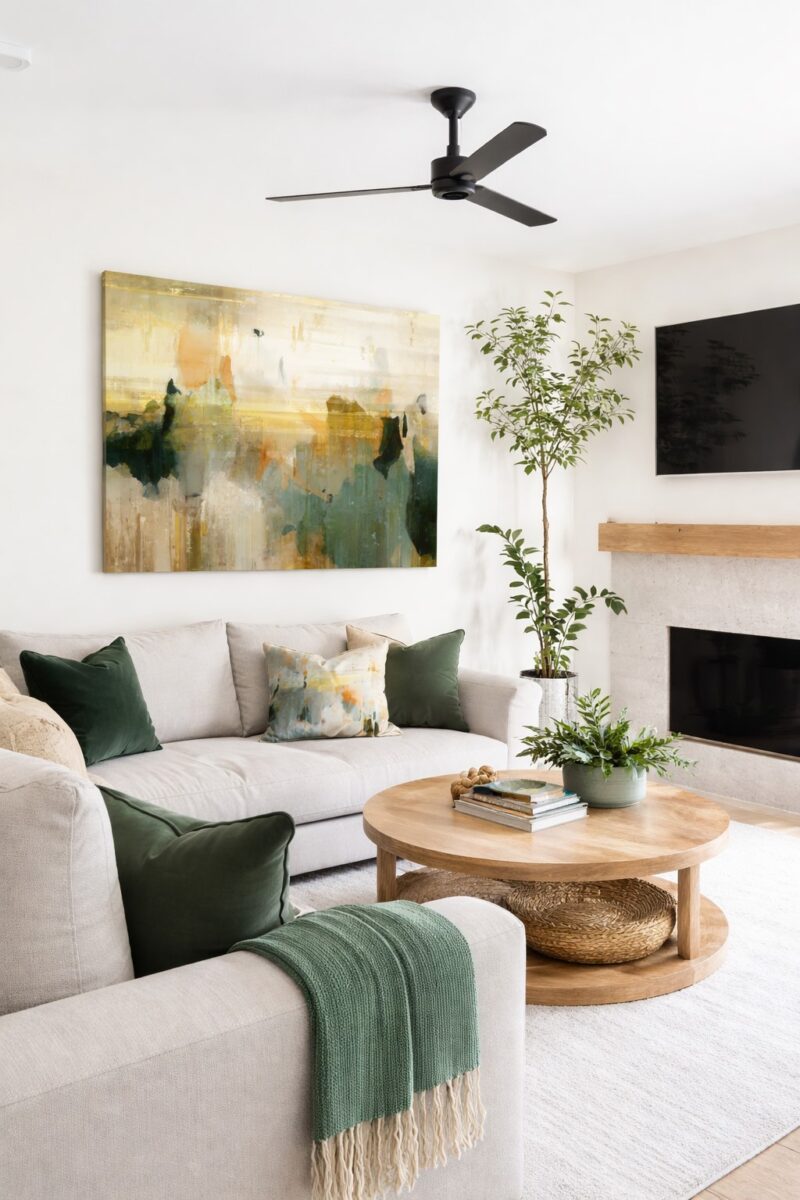
The wall art you choose may influence how you decorate your space—or vice versa. Start by observing the main colors already present in the room. If those tones appear in the wall art, even subtly, the space will feel more cohesive.
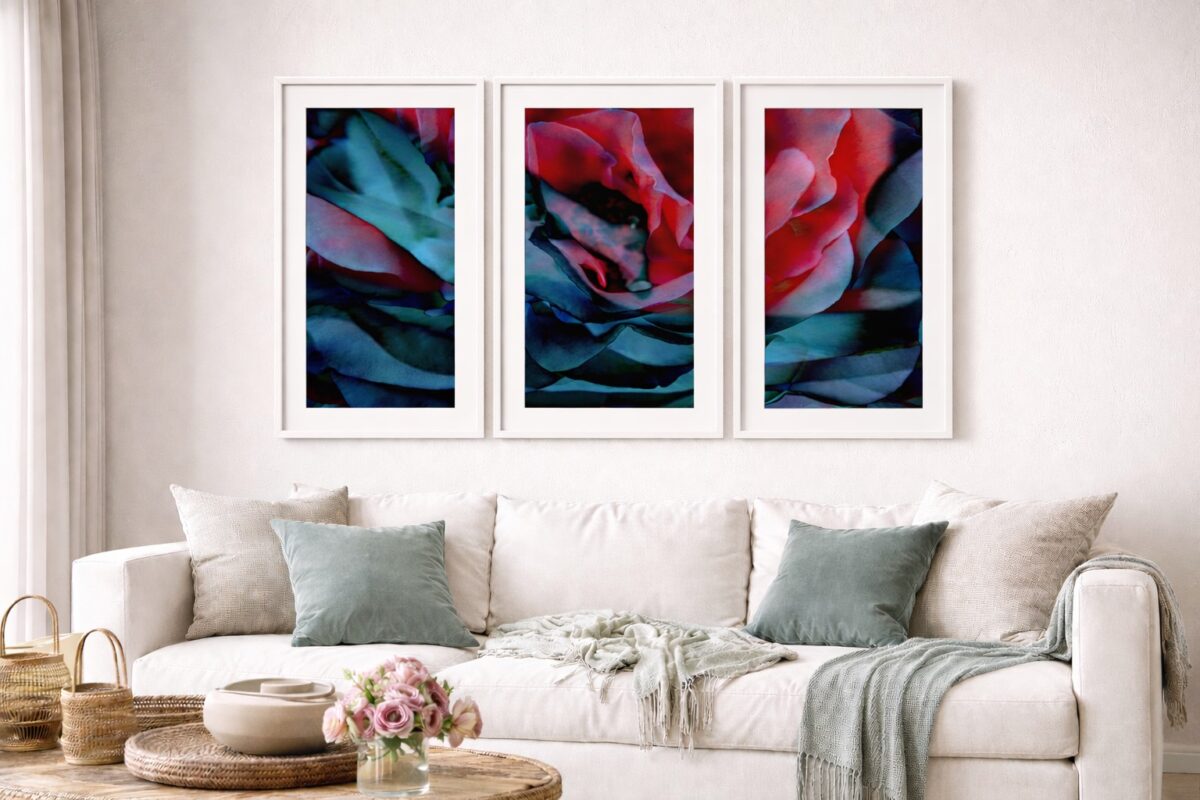
You can enhance this connection by repeating colors from the wall art in small décor accents such as pillows, throws, or decorative objects. A neutral living room, for example, can be completely transformed by a large, colorful abstract wall art piece paired with complementary accents.
Texture and form are equally important. Heavily textured wall art pairs beautifully with tactile materials like wood, stone, or woven fabrics, while organic or floral abstract wall art often complements spaces with plants and natural elements.
Choosing the Right Size and Orientation for Wall Art
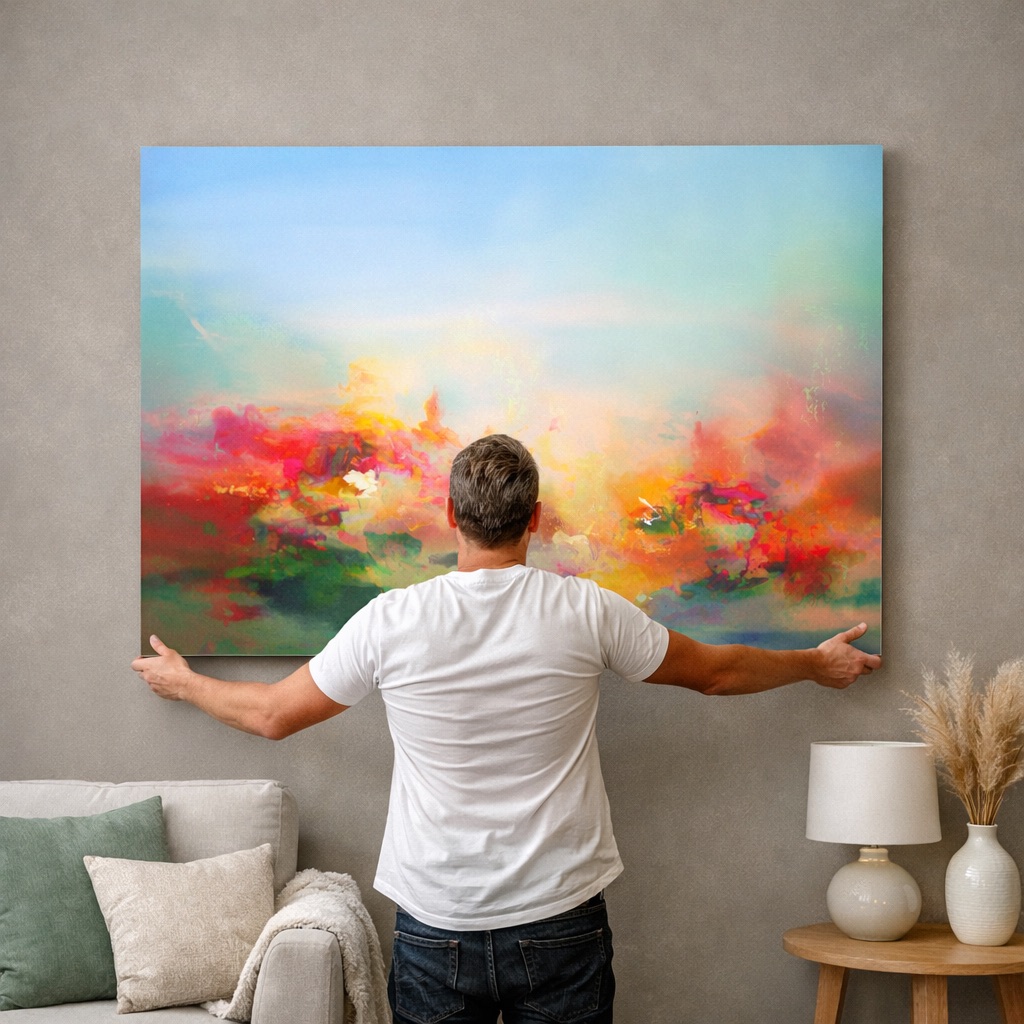
One of the biggest advantages of buying wall art prints is flexibility in size. Before purchasing, measure your wall and use painter’s tape to outline where the artwork will hang—this helps visualize scale and balance.
Large wall art tends to have greater emotional and visual impact, especially in living rooms and bedrooms. Wide horizontal wall art works well above sofas and beds, while tall vertical pieces complement high ceilings or narrow walls. When hanging multiple artworks, aligning them along the same visual horizon creates a clean, cohesive look.
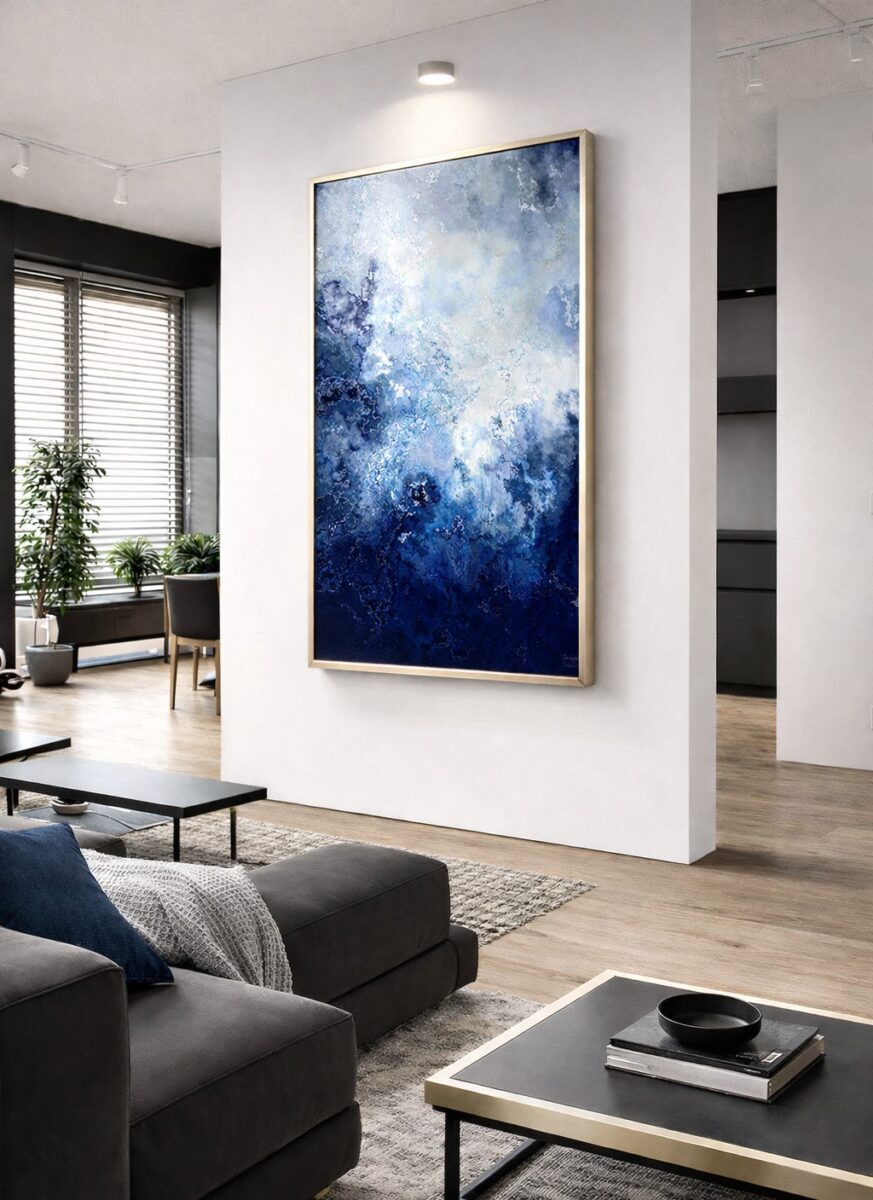
Large-scale contemporary and abstract wall art is especially effective when you want to make a strong design statement. Oversized canvas wall art anchors furniture, defines open spaces, and elevates modern interiors—particularly in living rooms. For inspiration, explore these big canvas wall art ideas for the living room to see how scale and abstraction work together beautifully.
Considering Energy, Mood, and Emotion in Wall Art
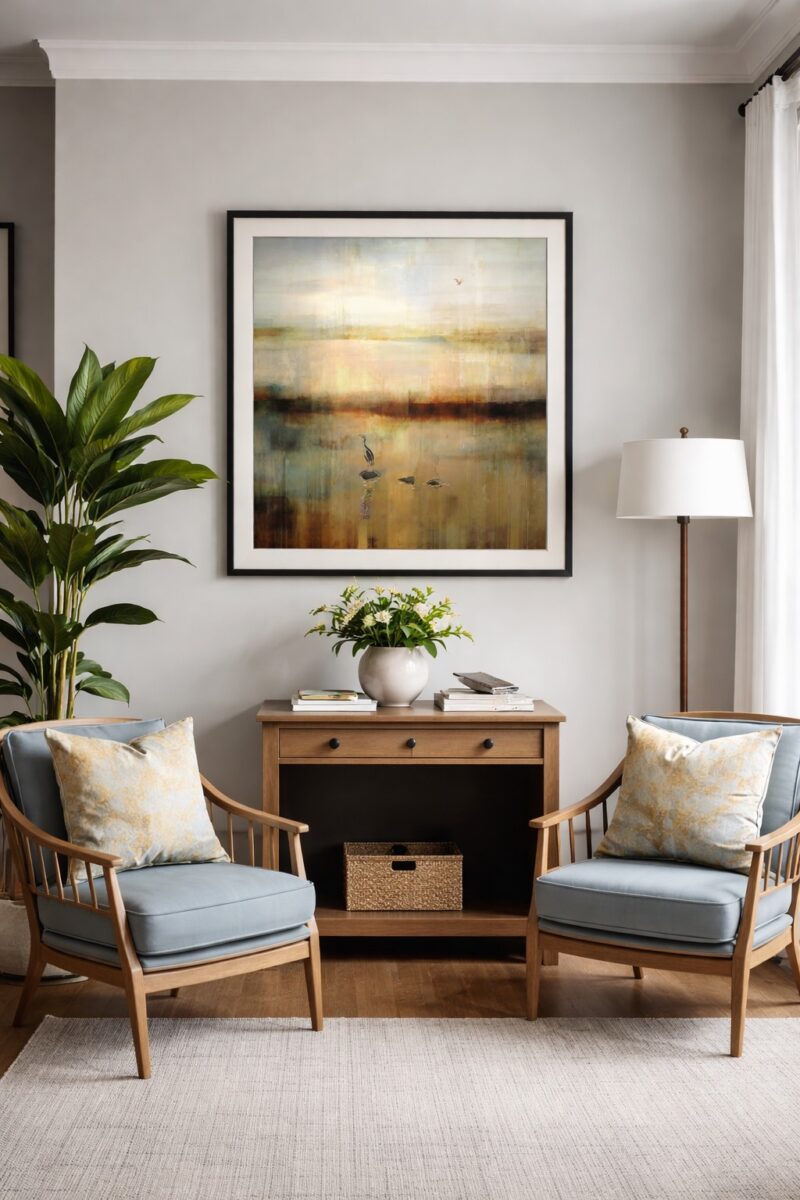
Wall art isn’t just visual—it carries energy and emotion. Some wall art evokes calm and serenity, while other pieces feel bold, expressive, or dynamic. Consider how you want the room to feel and choose wall art that supports that intention.
Abstract wall art often references natural elements such as water, earth, light, or movement. A quiet space may benefit from energetic wall art, while a busy room might call for softer, more atmospheric tones. Color theory and feng shui principles can also offer guidance when choosing wall art that feels balanced and intentional.
Lighting Your Wall Art Properly
Lighting plays a crucial role in how wall art is experienced. Natural light brings out color and texture during the day, while accent lighting helps artwork stand out at night. Overhead picture lights, wall washers, or nearby floor lamps can turn a piece into a true focal point.
Be mindful of glare, especially with glossy mediums like metal or acrylic. Adjusting angles and light placement ensures the artwork remains vibrant without distracting reflections.
Proper placement is just as important as choosing the artwork itself—especially with large contemporary or abstract pieces. Hanging art at the right height and spacing ensures it feels intentional and balanced within the room. Whether you’re installing a single statement piece or a large canvas above furniture, understanding best practices can make all the difference. This guide on how to hang large modern wall art in a living room or bedroom walks through simple, professional tips to help your artwork look its best.
Final Thought
Choosing wall art is a personal and rewarding process. When you understand size, medium, color, and mood, you’re not just decorating—you’re shaping how a space feels and functions. Thoughtfully chosen wall art can transform a room and become something you connect with every day.